Blog

Left-pawed, right-pawed or both paws?

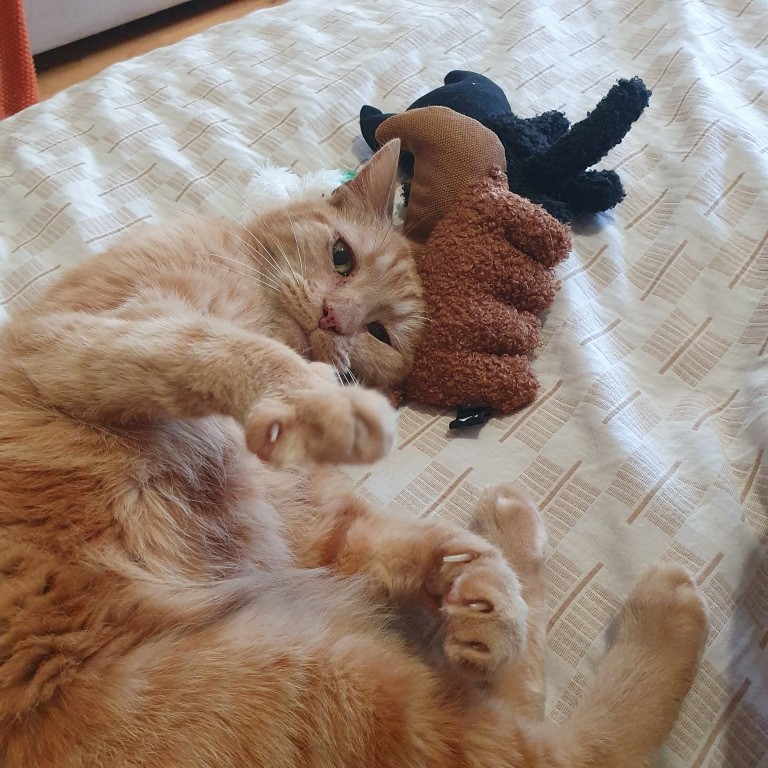
As you may know, I am a big fan of puzzle feeders for cats and also intrigued that some cats seem to have a paw preference when using their puzzles. With Rune having extra toes on all of his legs I became even more fascinated. He appears to use both when using his puzzle ball, but seems to prefer his right paw for other puzzles and toys. At the very least, it’s the paw he stretches out first and he bats his toys mostly with his right paw as well.
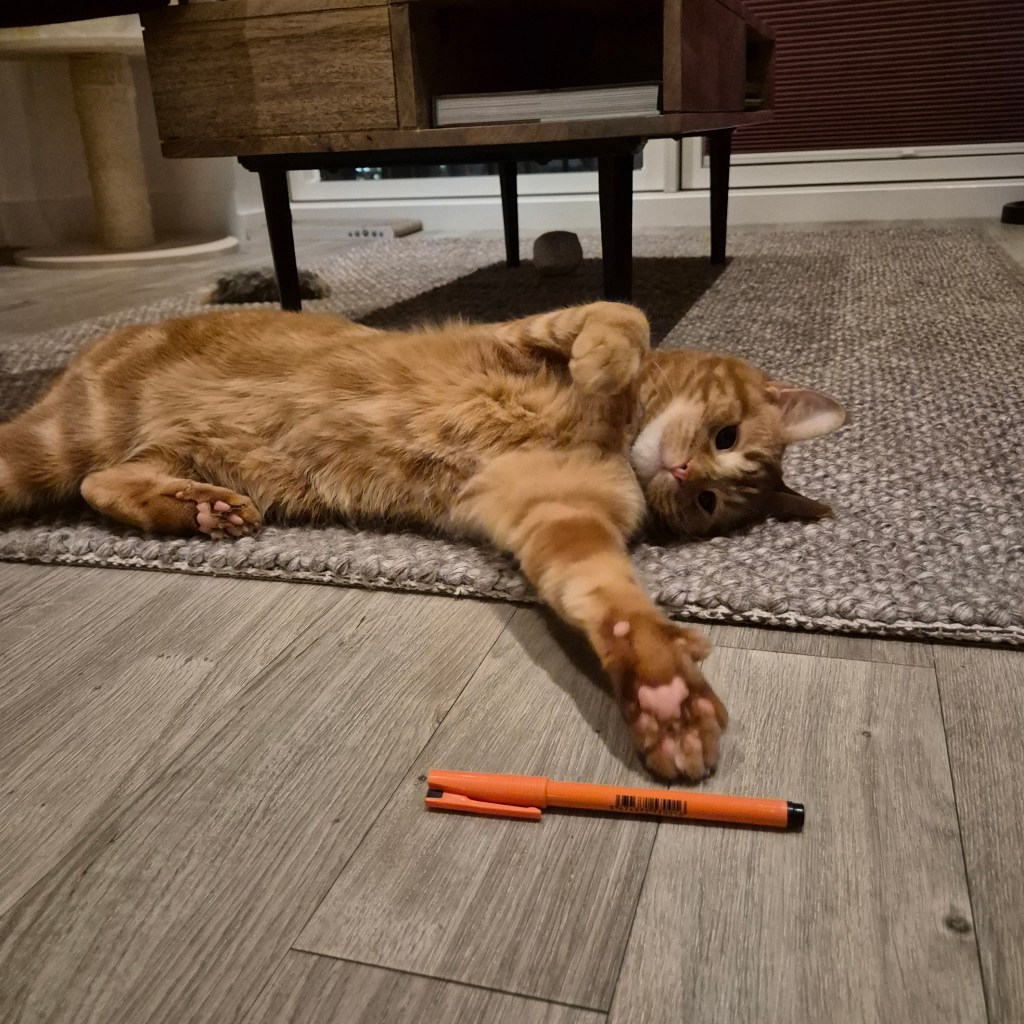
Research by Isparta and others (2020) showed that cats with a clear paw preference, be that either left or right, were better at solving food puzzles than those cats that did not have a paw preference. The cats with a paw preference found their way to the food a lot quicker with fewer paw movements.

I can hear you thinking that surely all cats have a preference for one or the other paw. Not so! Interestingly, 16 out of the 38 participating cats were ambilateral: they showed no preference for either left or right paw.

What is even more interesting is that some cats preferred to use their heads rather than paws to get to the food. One possible explanation why some cats have a head preference may be related to domestication: we tend to feed our cats from bowls which does not require any motor skills from the cat.

As with many types of research participation can be a stumbling block: of the 41 cats initially selected for the study, 3 did not move a paw at all.
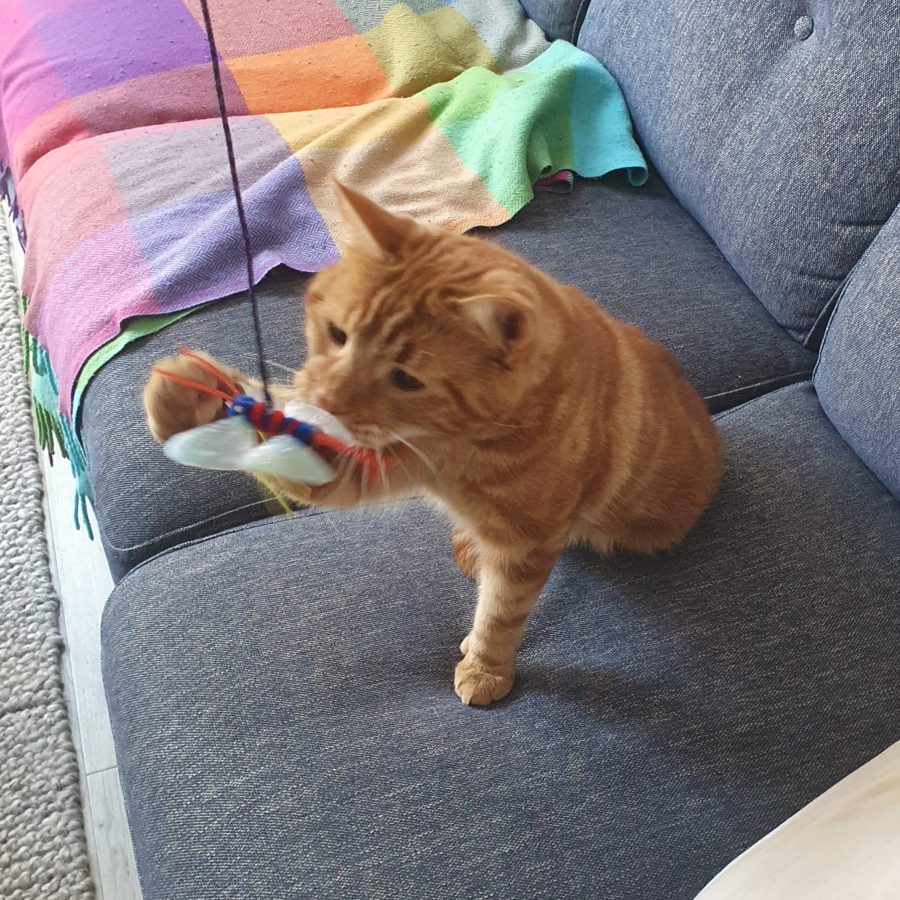
I wonder whether size and position of extra toes could have an influence on paw preference.

From the life of a cat sitter

Golden oldies

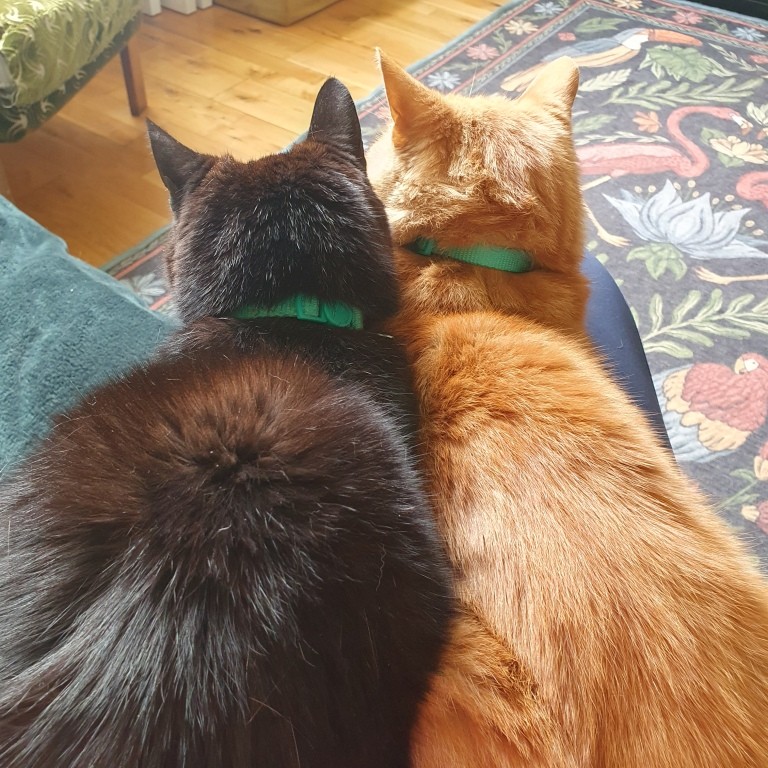
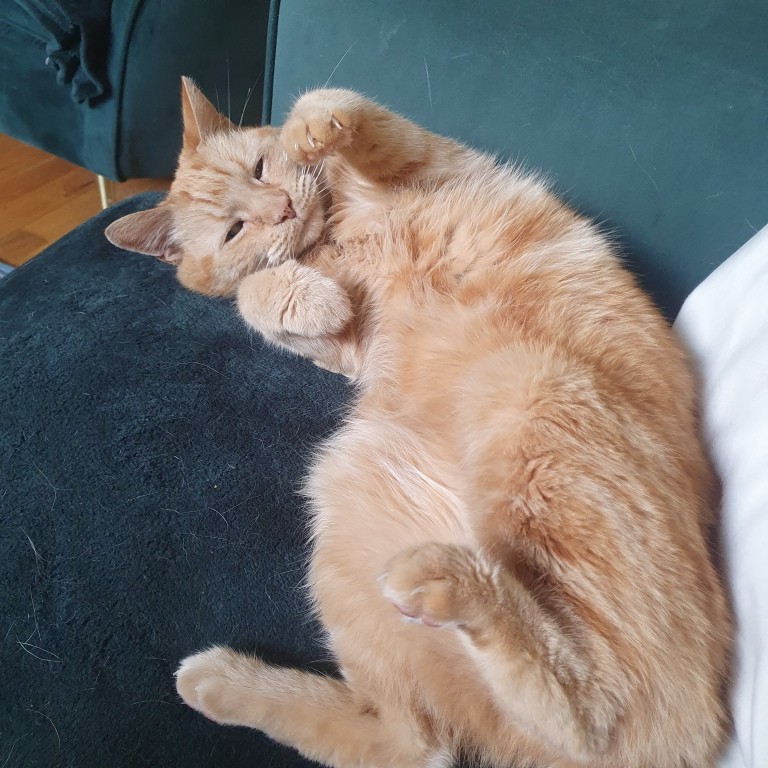
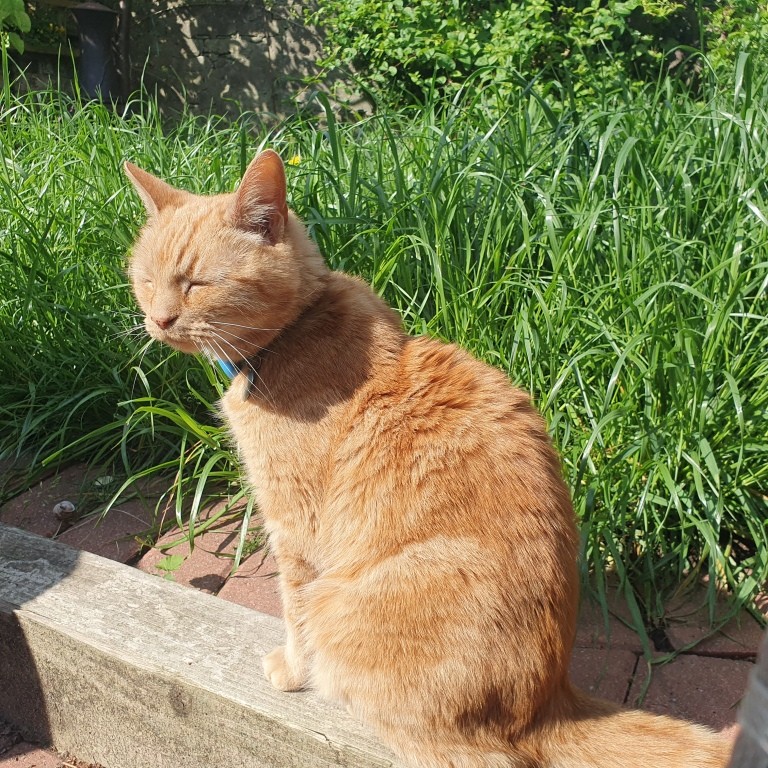
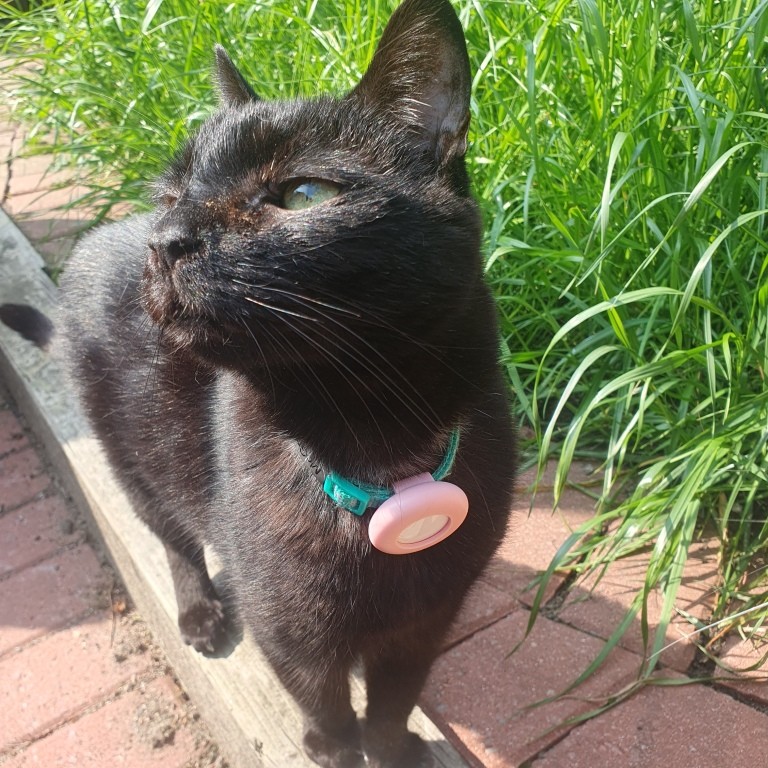
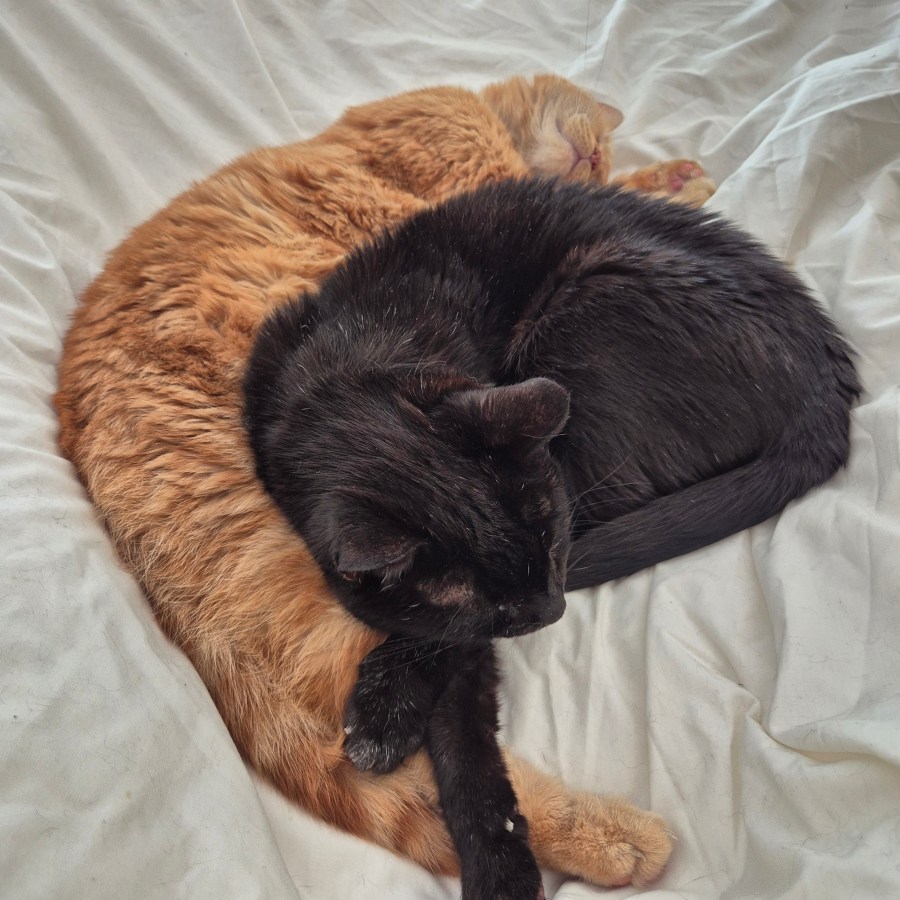
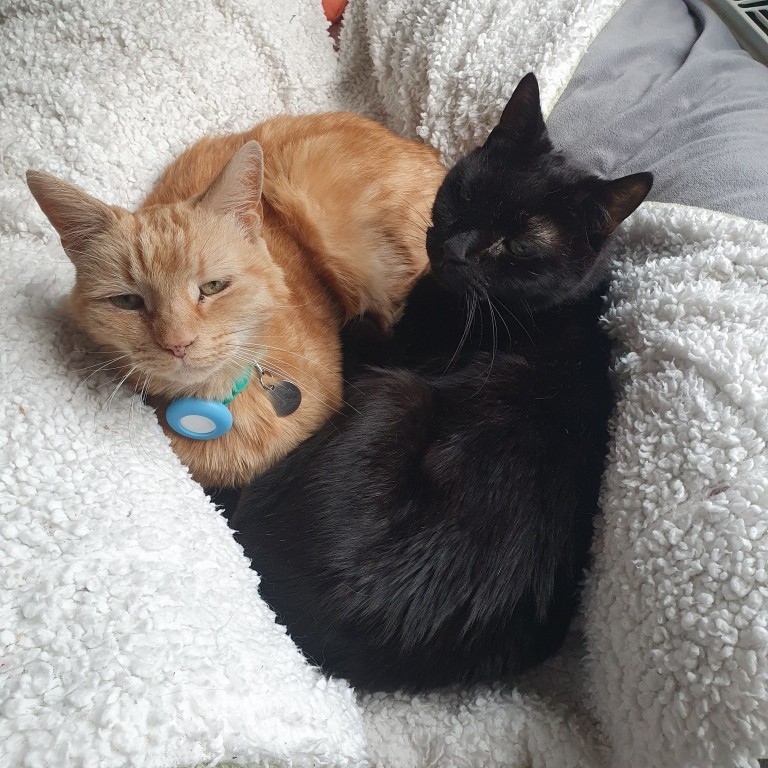
Over the years I’ve had the pleasure of looking after these two brothers many times. They’re nearly sixteen years old now and starting to have a few health issues. However, that doesn’t stop them doing their favourite things: cuddling up together and going outside. Also biting my nose (no pics I’m afraid)

These guys were adopted together as kittens and it’s amazing to see their bond. Two cats don’t always get on when they become adult cats, not even siblings. But the chances of cats living together peacefully are higher if they bonded as kittens. Space, plenty of litter trays, beds, eating and feeding stations also help! As for these guys, usually if you’re having cuddles with one you’re going to have cuddles with both ❤

Cats with an Agreeable Personality

Adapted from an article originally published on natusan.co.uk

Cats can be quite particular creatures, and pet parents know that their unique personalities can be very different.

Even in the same household, and from the same litter, our furry friends can vary quite a lot when it comes to their individual habits and quirks.

Researchers have found five cat personality types, and find most cats fall into one of the following categories – Neurotic, Extraverted, Dominant, Impulsive or Agreeable.

In this blog: the agreeable cat.

Cool Agreeable Cat

This type is the very definition of a “cool cat”. Super chilled, sociable and with plenty of the laissez-faire attitude that cats are known for.

This agreeable personality is usually the result of proper socialisation as a kitten. However, genetics, such as breed, can play a part as well. Many Ragdoll cats have an agreeable personality.

Top tips for agreeable cats (like you need them!)

Consider expanding the family – Agreeable cats are perfect for multi-cat households, often taking younger cats under their wing and passing on good habits. This type of cat is the ideal role model for newer additions, particularly rescues who can re-learn behaviours much quicker than from humans.

If it ain’t broke, don’t fix it – Whatever you’re doing, it’s working. A well-adjusted cat can provide an endless amount of comfort, care, calm and cuddles. Just know that it’s incredibly rare that a cat will fetch your slippers (though you’re welcome to try).

It is worth noting that most “undesirable” behaviours are just cats expressing their natural behaviours, but perhaps in a place or at a time which isn’t appealing to us as humans!

Cats with a Spontaneous Personality

Adapted from an article originally published on natusan.co.uk

Cats can be quite particular creatures, and pet parents know that their unique personalities can be very different.

Even in the same household, and from the same litter, our furry friends can vary quite a lot when it comes to their individual habits and quirks.

Researchers have found five cat personality types, and find most cats fall into one of the following categories – Neurotic, Extraverted, Dominant, Impulsive or Agreeable.

In this blog: the impulsive, or spontaneous, cat.

Spontaneous Cat

These cats are the most impulsive, and tend to have a lot of energy, which sometimes is released all at once.

Whilst all cats go through a “scatty” phase as kittens, some cats stay “young-at-heart” and keep their youthful exuberance. Particularly, it seems, in the middle of the night…

Top tips for spontaneous cats:

Tire them out with play – Keeping your cat amused with plenty of toys can help them spend some of their seemingly boundless energy. Consider an automatic or interactive toy for them to entertain themselves with, especially when you’re trying to sleep.

Never “scold” your cat – Shouting at a spontaneous cat will likely raise their levels of anxiety and increase any erratic behaviour as a result. Plus, it isn’t very nice and rarely works with cats, instead, try positive reinforcement for good behaviour.

Start a regimen – Scheduling feeding and playtime to the same time of day can help to instil a sense of routine that can help keep your cat calm (just be sure NEVER to be late, no one likes waiting for dinner…) 

Read your cat’s body language – Try to identify the things that set your cat off, or how they behave in the lead up to the “zoomies”. This can help single out any triggers that are causing the nervous energy, or if your cat is simply a weirdo (the best ones are, after all…)

Synchronise your time-zones – Some cats are nocturnal, preferring to run around your home in the wee small hours. Try to keep them entertained and awake throughout the day to change their body-clock. If all else fails you could always join them on the night shift, after all, compromise works both ways.

It is worth noting that most “undesirable” behaviours are just cats expressing their natural behaviours, but perhaps in a place or at a time which isn’t appealing to us as humans!