Blog

Gus & Bella’s Halloween Box

* Originally written by me for Katzenworld

It’s October and that means it’s time for Gus & Bella’s Spooky Halloween Box! This has to be my absolute favourite of all their themed boxes.

And good news for those of us who are more lazy about trick-or-treating: Gus & Bella have us covered. There’s a super cute and warm pair of black cat slippers, black cat earrings and chocolate. I’m all set for Halloween!

The food in this box is from Arden Grange. I am a big fan of these sample packages of cat food because we all know how fussy cats can be about their food. Sometimes it takes a little while to get them used to new food so you can mix the new with the old. Sample size bags can also help you decide which one your cat likes best or needs (perhaps they have a sensitive tummy or are a little bit overweight). It’s always good to try before you buy.

One thing Dirk tried (and I will definitely have to buy) is the Arden Grange Tasty Liver Treat. Careful, because the claws will come out for this treat! Dirk absolutely loves it.

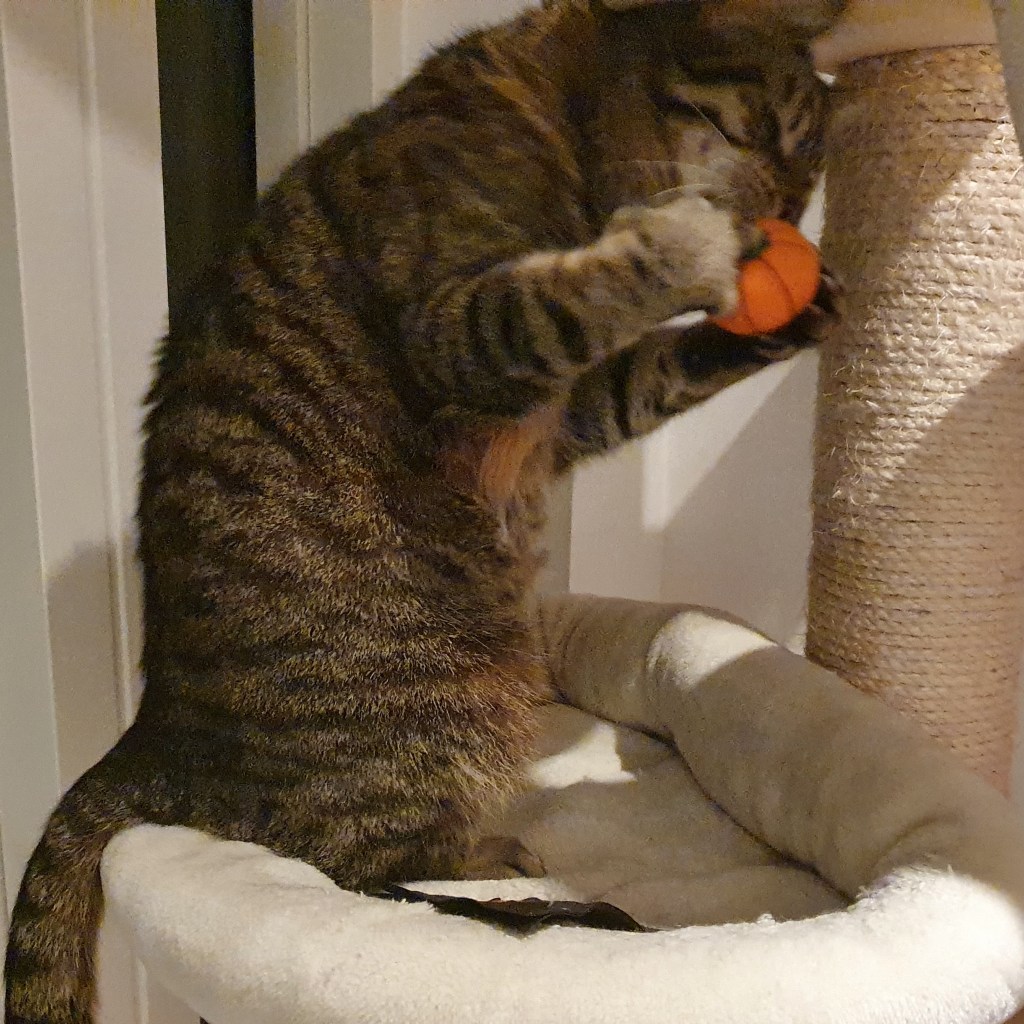
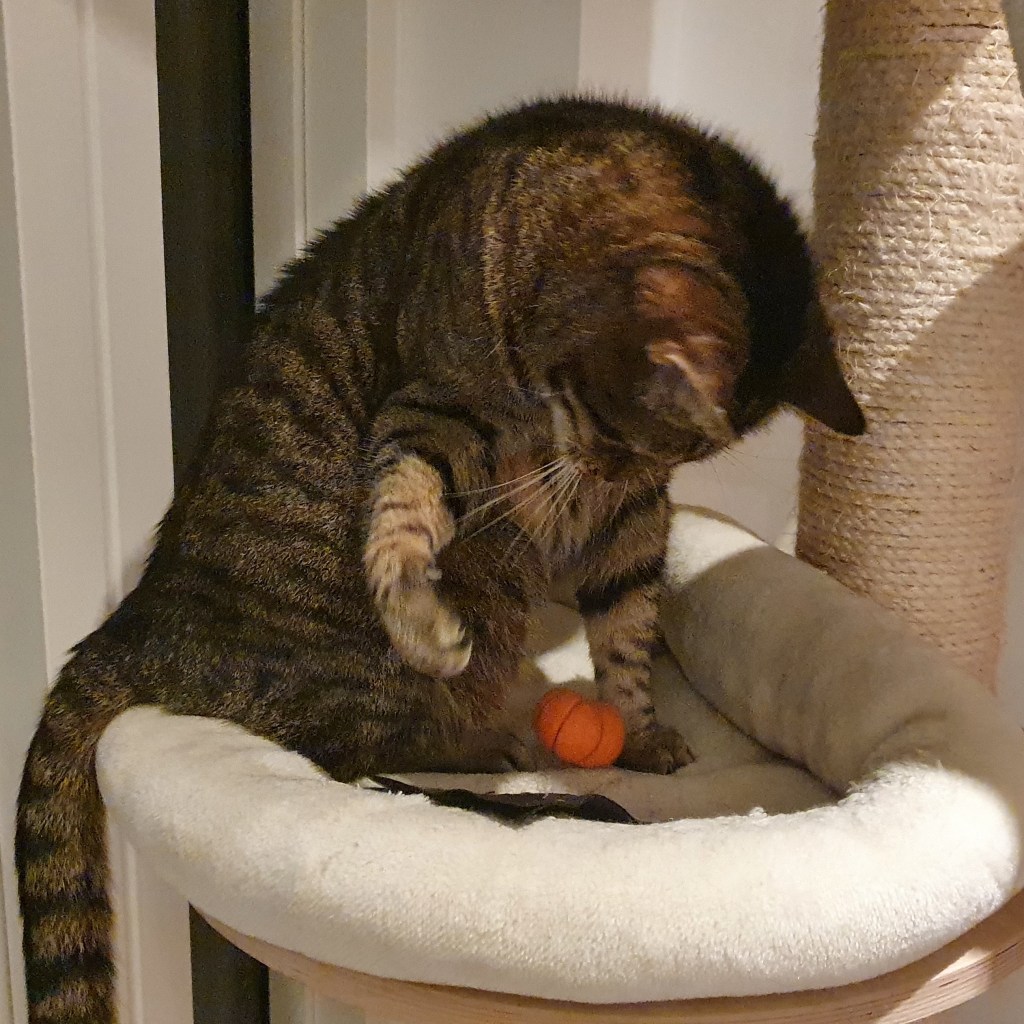
Now, the best part: the cat toys! Gus & Bella always put much thought into choosing toys for different types of play behaviour. This box contains a cuddle toy, a toy to chase or bat around and a feather wand which is ideal for interactive play and hunting behaviour. Perhaps needless to say they are all Halloween themed.
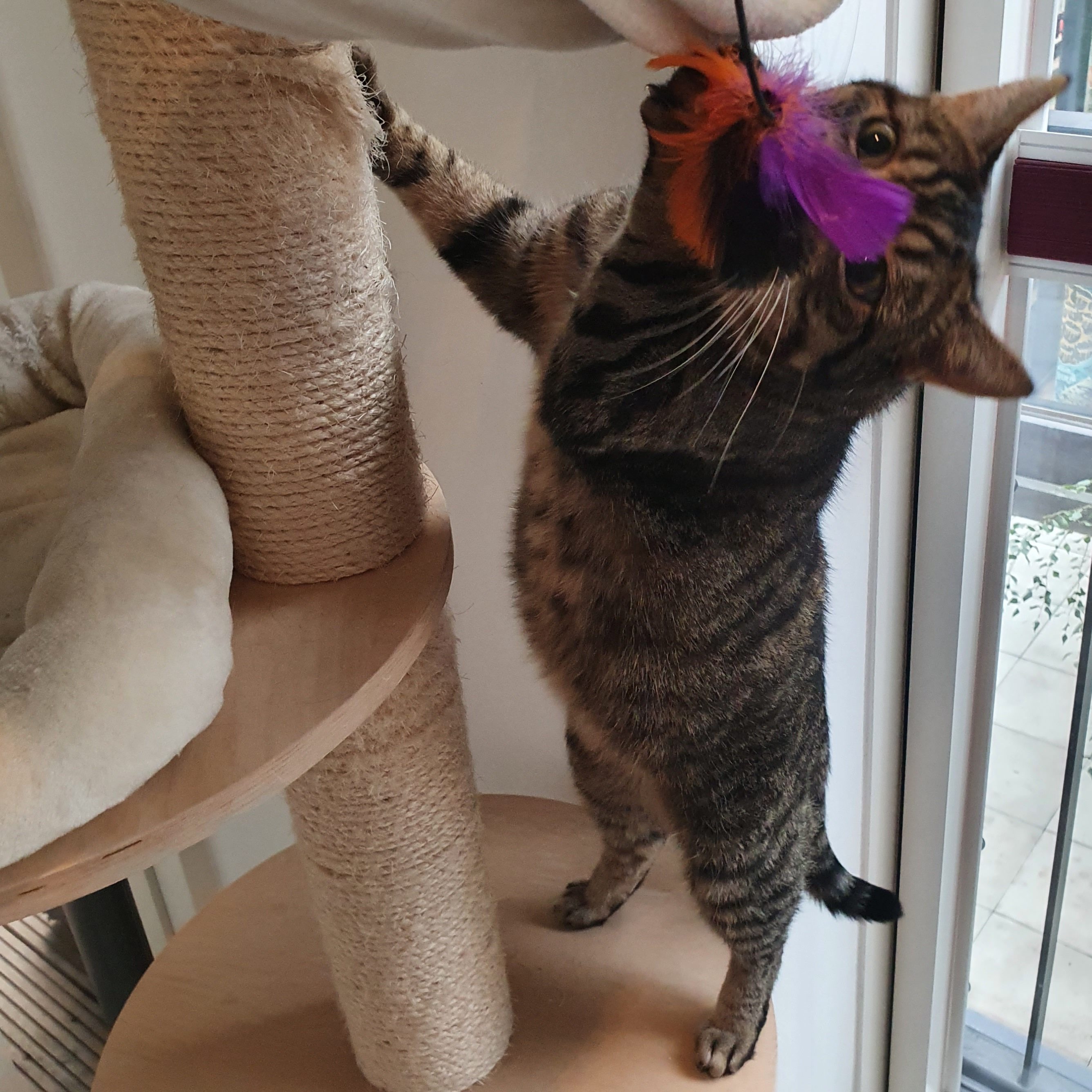
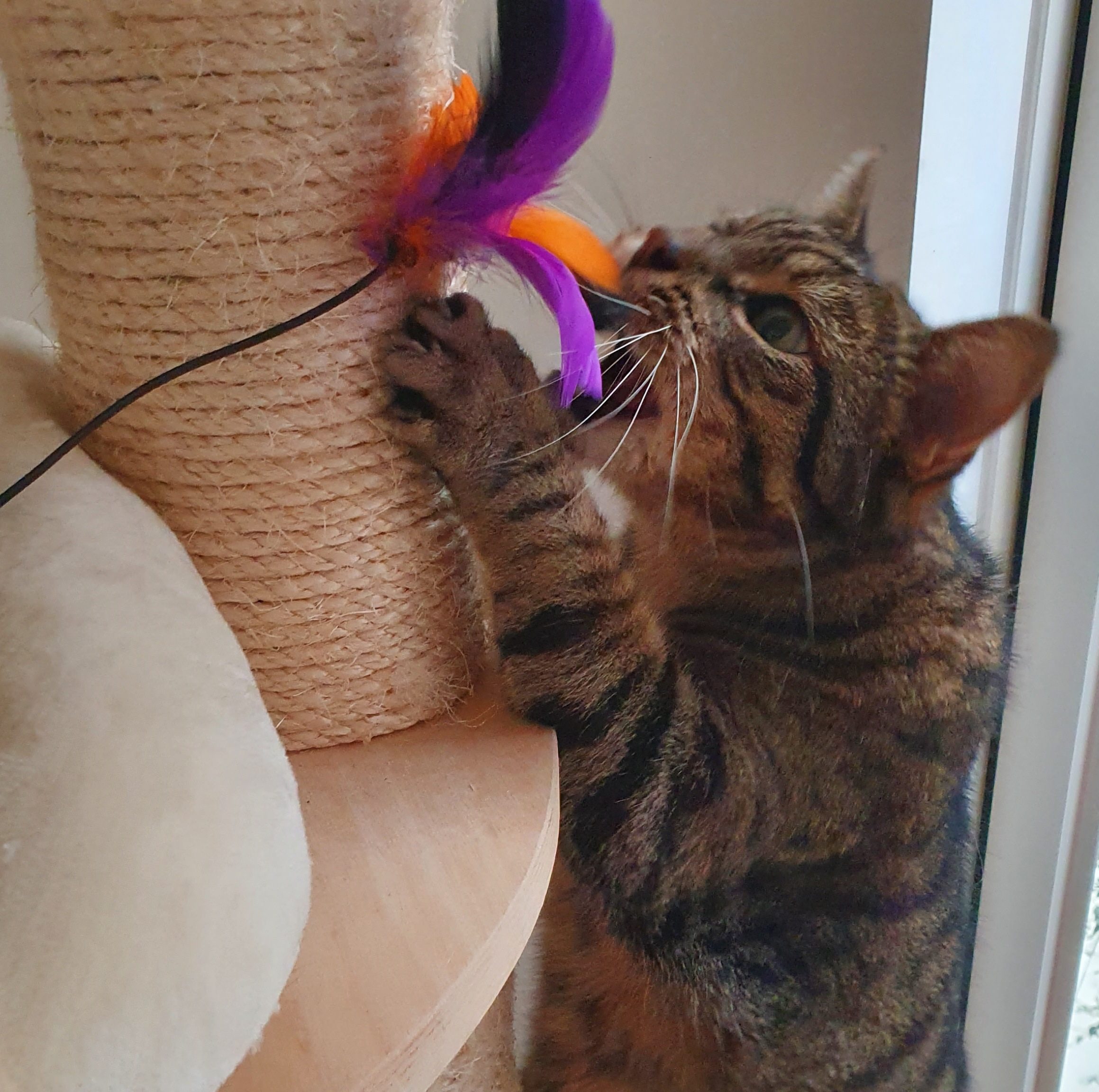
Some cats have a preferred style of play of type of toys, others like all of them. In any case, it is good to switch toys every now and again because that is more stimulating and will keep your cat entertained for longer. The cuddly toy has Valerian which helps keep cats calm, not a bad idea with Halloween and Guy Fawkes Night coming up!

To get your box or order one for a friend or loved one check out Gus & Bella’s website.
From the Life of a Cat Sitter

As you may have read before, I also work as a cat sitter.

People ask me whether I just feed and clean litter trays all day. Well, yes and no. I mean I do feed cats and clean litter trays, but there’s much more to it.
In this series of posts I share some anecdotes from my life as a cat sitter. I promise these stories are all true, though the cat’s names have sometimes been changed to protect their identity 😉

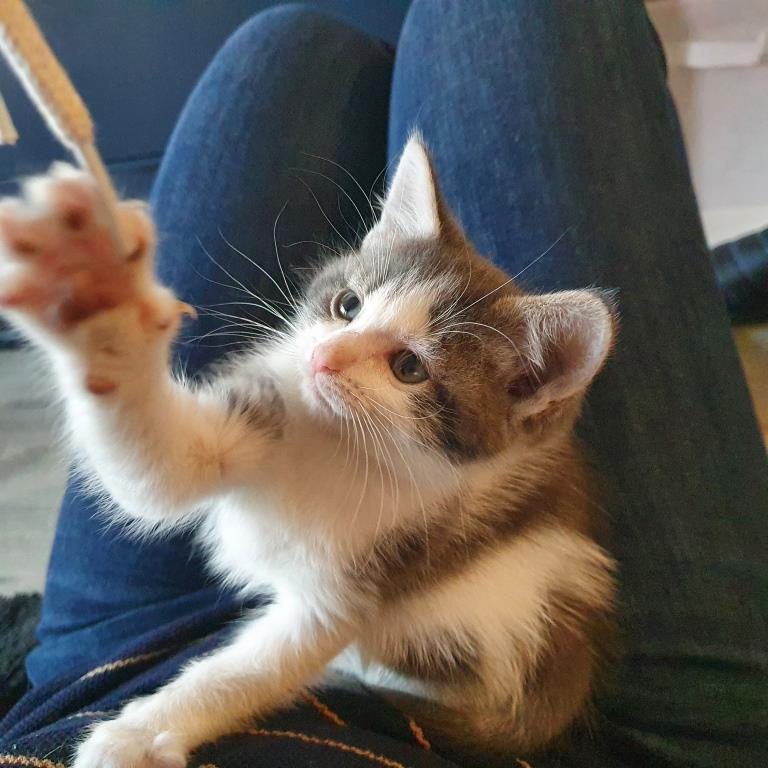
Today: kittens! Who doesn’t love kittens?! But they come with challenges too. They need far more entertainment to keep them happy and kittenproofing the home is not easy. After all, what was impossible for the kitten yesterday is suddenly possible. Jumping on kitchen worktops for example. Sometimes what was possible yesterday is suddenly no longer possible, such as crawling underneath the sofa without getting stuck.

Kittens are curious and they will try almost everything. Knocking over plants, chewing plants, eating rubber bands or plastic or even their litter, cotton buds are great toys / chews as well, your sofa is the ideal scratching post, the list goes on and on. So yes, raising a kitten is hard work. Good thing it is a lot of fun too 🙂

How to take care of cats with kidney disease

* Originally written by me for citikiti.co.uk

From the ICatCare Conference

Chronic kidney disease is a common disease that affects over 30-40% of cats over 10 years old. This percentage is even higher in cats that are 15 years or older. Although the average lifespan of cats is roughly 12-14 years, more and more cats are now living beyond the age of 15 years (which roughly equates to a human age of 76).

My own cat is approximately 14 years old now – he is a rescue cat so we don’t know his exact age. As our cats enter into the senior stage of their life they are more prone to many diseases, chronic kidney disease being one of the most prevalent examples.

There is no cure for chronic kidney disease, but we can slow down the progression of the disease and cats with chronic kidney disease can still have a good quality of life.

Before discussing how we can help cats with kidney disease, let’s first briefly look at the most common symptoms of kidney disease: increased drinking and urination, reduced appetite, weight loss and lethargy. You may also notice vomiting or a bad breath.
Chronic kidney disease is diagnosed through an analysis of blood and urine samples. The earlier the diagnosis, the better the prospects are of preventing further kidney injury, managing the complications and slowing the progression of the disease.

If your cat has kidney disease then your vet will discuss a plan of action with you. This will depend on the stage of progression of the disease and your cat’s specific complications. Treatment of chronic kidney disease will mainly focus on feeding your cat a specific type of diet as this is the only type of treatment we currently have that prolongs life in cats with chronic kidney disease.
What else can we do at home to make sure our cats are comfortable?

Make sure your cat is drinking plenty of water. Find out what your cat prefers. This could be drinking from a running tap or the shower, a water fountain or providing a different type of water bowl (most cats like drinking from a wide brimmed ceramic bowl. If your cat goes outside, put a ceramic bowl in the garden: quite a few cats prefer rainwater over tap water.

As cats with chronic kidney disease tend to urinate more often it is good to make sure you have multiple litter trays in various quiet places around the house. Some cats refuse to use a litter tray that isn’t clean. If you have multiple trays then your cat has multiple appropriate options when you’re at work.

And last, but not least: make sure their lives are as happy & stress-free as possible. Give your cat warm, comfortable places to hide & rest and engage with them: play with them, groom them, stroke them, etc. Remember though, you ill cat is still a cat and wants to be in charge of his life as much as possible: let him initiate the quantity and quality of your interaction and don’t overwhelm them with love

For more information about kidney disease in cats see International Cat Care’s website.

Benefits of raised water and food bowls

* Adapted from katzenworld.co.uk

It is becoming increasingly popular to elevate cat bowls. But is there any real benefit to doing so? Does elevating a cat‘s water bowl or food bowl make sense? The answer is yes!

Of course, some cat owners choose elevated bowls just for aesthetics, but vets now recommend them to help prevent indigestion, vomiting, and strain on your cat’s back and neck.

Raised bowls are especially beneficial for cats with swallowing issues, older cats or cats with arthritis. They find it much more difficult to bend down to the food or water bowl.

Check out some great ones in the Katzenworld shop!

Slow blinking to bond with your cat

Reasearch by Humphrey et al (2020) has confirmed what many cat owners already suspected: narrowing your eyes is the best way to build a rapport with cats.

Their study found that “cats respond to a human giving a slow blink stimulus by producing eye narrowing movements of their own”.

“Firstly, cats deliver more eye narrowing movements when their owners slow blink at them than when the owner is present in the room but not delivering this stimulus.”

“Secondly, when an unfamiliar experimenter gives the slow blink stimulus compared to adopting a neutral face, cats respond with a higher frequency of eye narrowing movements themselves.”

Their study also found that cats were more likely to approach people after slow blinking as opposed to having a neutral face.

“From the current study, the slow blink sequence appears to be an indicator of positive emotion in cats.”

Cats are also known to initiate a sequence of slow blinking with humans. The slow blinking behaviour may well be innate behaviour but could also be a result of domestication.

“It could be argued that cats have developed slow blink behaviours because humans appear to perceive slow blinking as positive and cats may have previously been reinforced by their owners for responding to slow blink sequences.”

“It is also possible that slow-blinking in cats originated as a mechanism to interrupt an unbroken stare, which is potentially threatening in social interactions; this could then have been elaborated by a combination of selection and learning in the domestic environment.”

“Socio-cognitive abilities of cats are an under-studied area, and future research on cat behaviours, such as slow blinking, could enhance our understanding of interspecific communication and the ways in which domestication has shaped the social behaviour of an ancestrally solitary species.”