Say my name, say my name: do cats recognise their names?

Cat owners or lovers would probably say that of course cats recognise their names. More sceptical people might wonder whether they really recognise their name or just respond to their owner’s voice.

Research by Atsuko Saito, Kazutaka Shinozuka, Yuki Ito and Toshikazu Hasegawa shows that cats do indeed recognise and respond to their names! Their study showed that cats respond to their name when said by their owner and also when said by a test person. Cats also distinguish between their name and other words, both by owners and test persons.

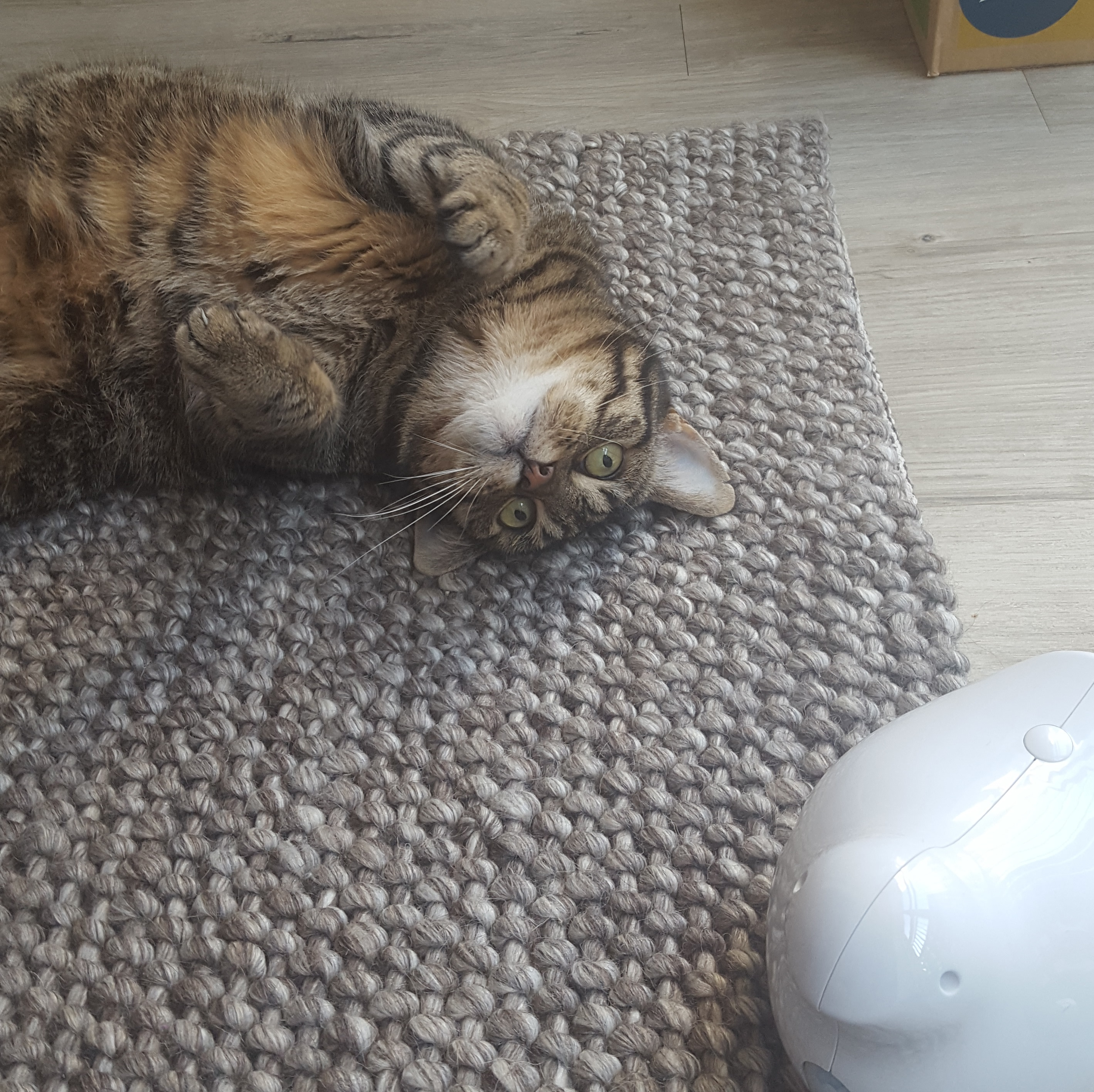
Cats can learn a variety of words: they form associative meaning between words and things. As owners, we often say “treat” and find the cat comes running: they have learned that this word means they’ll get some tasty food. They can learn other words too: I often ask Dirk if he wants to cuddle. He has learned that when I say cuddle he will get a lot of strokes and fuss so depending on his mood he’ll come over. Another word he knows is “coffee”, although his association of the word is not with the drink, but with time to sit in my lap 😉

Did you just say coffee?

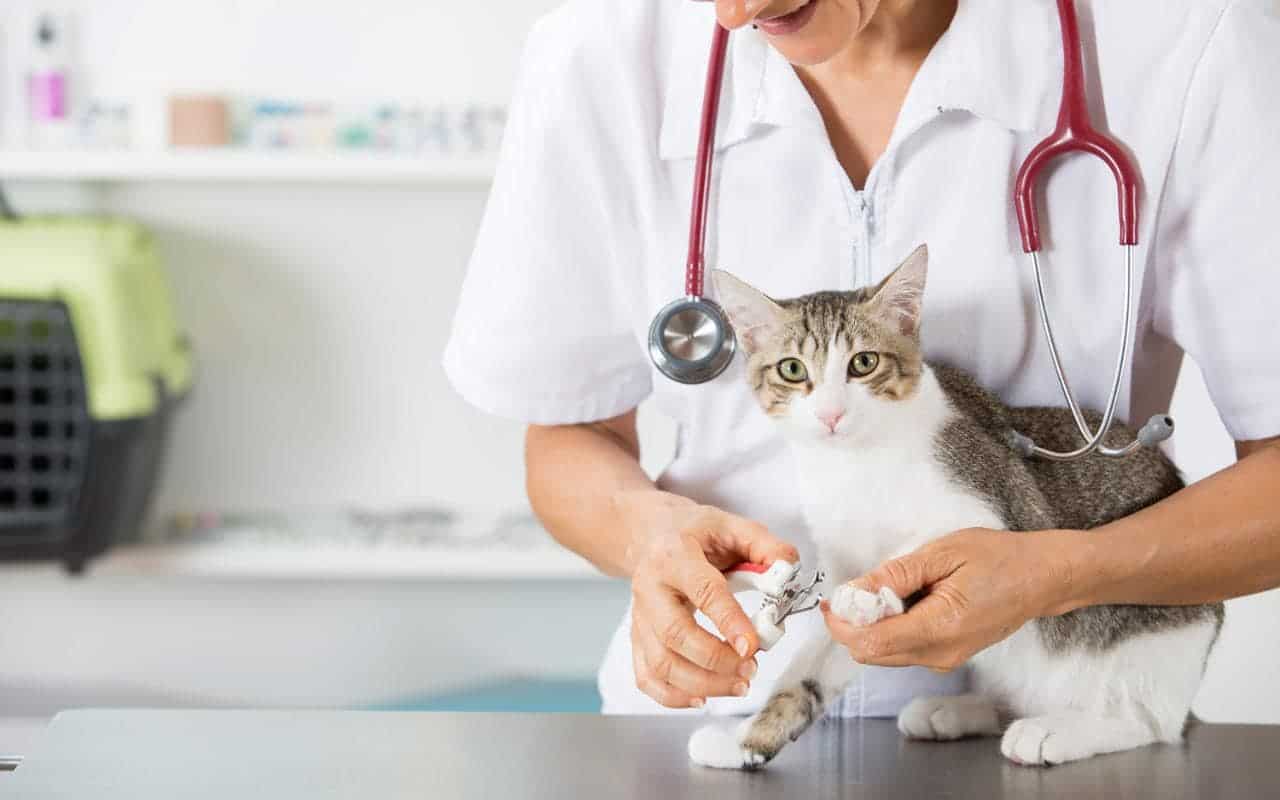
Take Your Cat To The Vet Day

It is ‘Take Your Cat To The Vet Day’ today. This doesn’t mean we should all be taking our cats to the vet today, but it is important to take your cat to the vet for regular health checks. ‘Take Your Cat To The Vet Day’ wants to raise awareness about the importance of preventive health care.

Royal Canin and International Cat Care are advocating the importance of feline health care. How often your cat should see the vet depends on their age and health, but as a rule healthy adult cats should see the vet once a year. They can get their vaccinations and you can stock up on flea and worm treatment. Your vet will also want to keep an eye on their general health and check your cat’s teeth, weight and body condition.

Older cats should see the vet twice a year, just because they are more prone to serious health problems such as kidney disease. Cats are very good at hiding signs of illness and early detection is crucial in order to prevent the illness getting worse. This will help improve your cat’s life and may make managing an illness a lot easier for both you and your cat.

cat-at-vet-xlarge-4


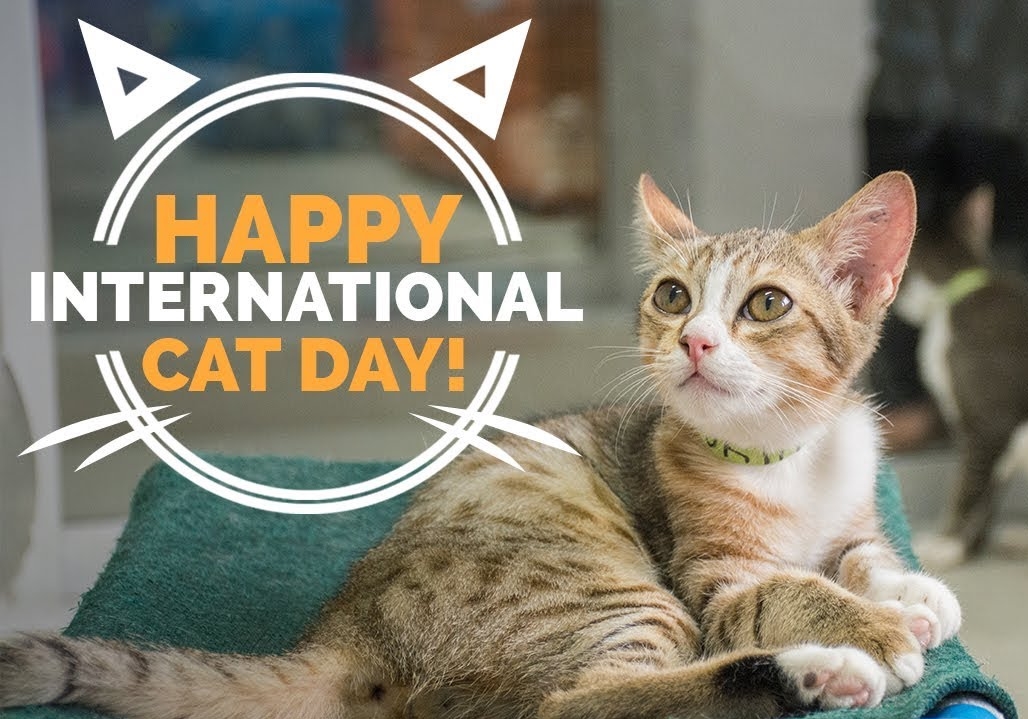
Celebrate International Cat Day this Sunday!

The 8th of August marks International Cat Day! A day to celebrate all of our kitties 🙂

International Cat Day was originally created in 2002 by the International Fund for Animal Welfare as a way to celebrate the relationship that cats have with people and to support the wellbeing and welfare of cats. It is also a day when people can go to their local animal shelter and rescue a cat.

I’m sure you’ll give your cat some extra love on International Cat Day, but why not celebrate by supporting a cat charity? Check you local Cats Protection website to see if you can help by becoming a fosterer or volunteer. Or support a cat charity through a donation. Not sure which one to support? International Cat Care, Cats Protection and Battersea are a few of the bigger cat charities, but you can also support a more local charity, such as Catcuddles Cat Sanctuary in London.

maxresdefault


Why do cats chatter their teeth when they spot prey?

Many owners will have heard and seen their cat chattering when they spot prey. Indoor cats do it too even if they have never hunted.
So why do they do this? Is it because they can’t get to the prey?

In fact, this is normal hunting behaviour. Your cat’s instincts are kicking in – even if they have never hunted they still have those instincts. Experts used to believe cats were excited or frustrated when they chatter or that they were mimicking their prey’s sounds. Cats hunt for a large variety of prey, though, and most of them sound nothing like a cat’s chattering.
Most experts now think that the chattering jaw movements are similar to the killing bite. Your cat is eagerly anticipating having a good bite.

Perhaps we can satisfy indoor cats by giving them a toy to chase & catch after the prey has left and give the cat a treat 😉

I think the noise is very funny. I laugh whenever I hear Dirk do it and it’s usually when he sees birds nearby (pigeons seem to love teasing him by sitting on the balcony railing).

Screenshot_20200324-140442

Dirk’s unusual game with Peek-a-Bird

* Originally written by me for katzenworld.co.uk

We all know that cats don’t always do what we want or expect them to do. For me, that’s part of what I like about them: they are not as docile or obedient as some other pets. They very much have a mind of their own and can be very particular about things.

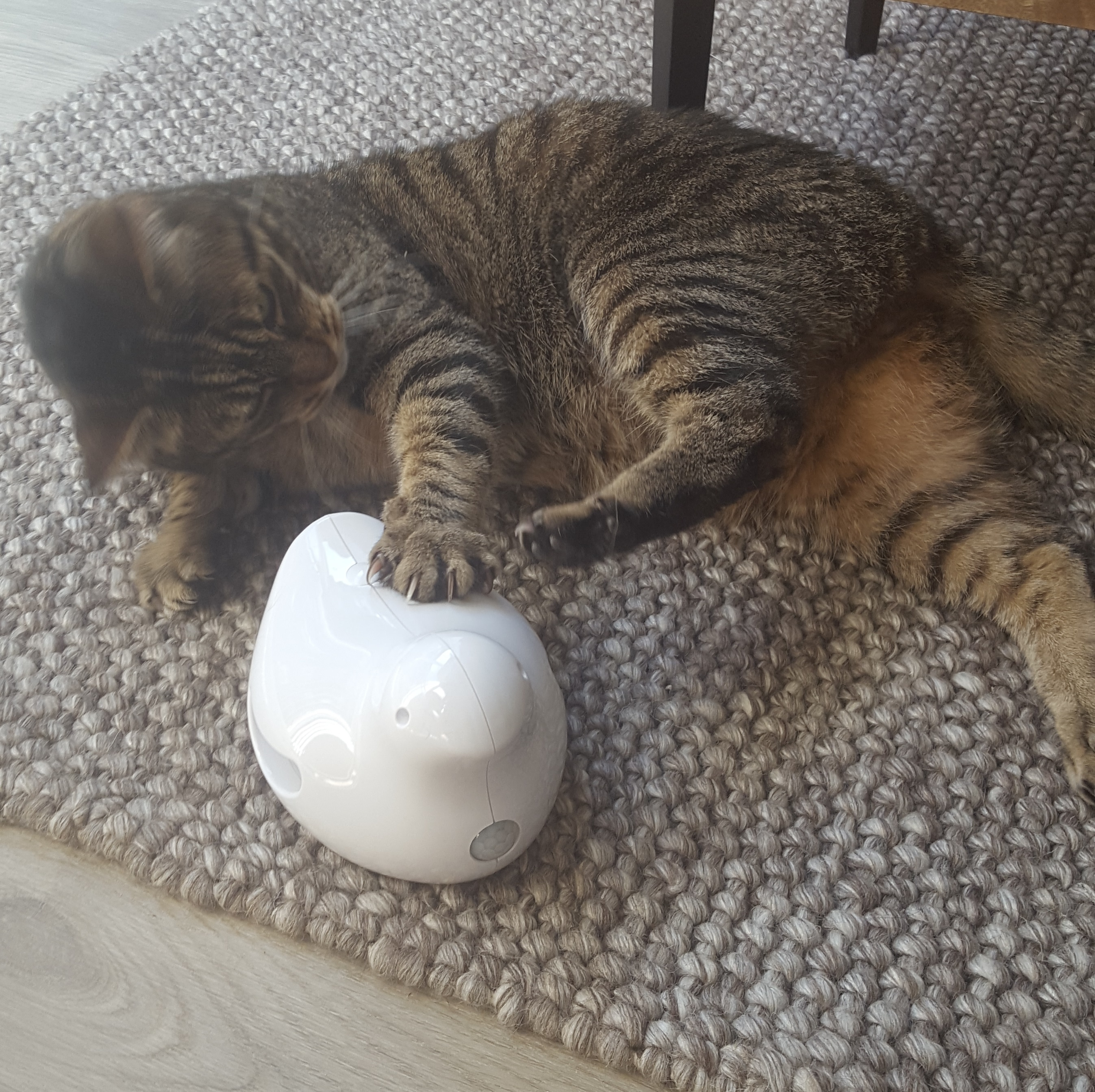
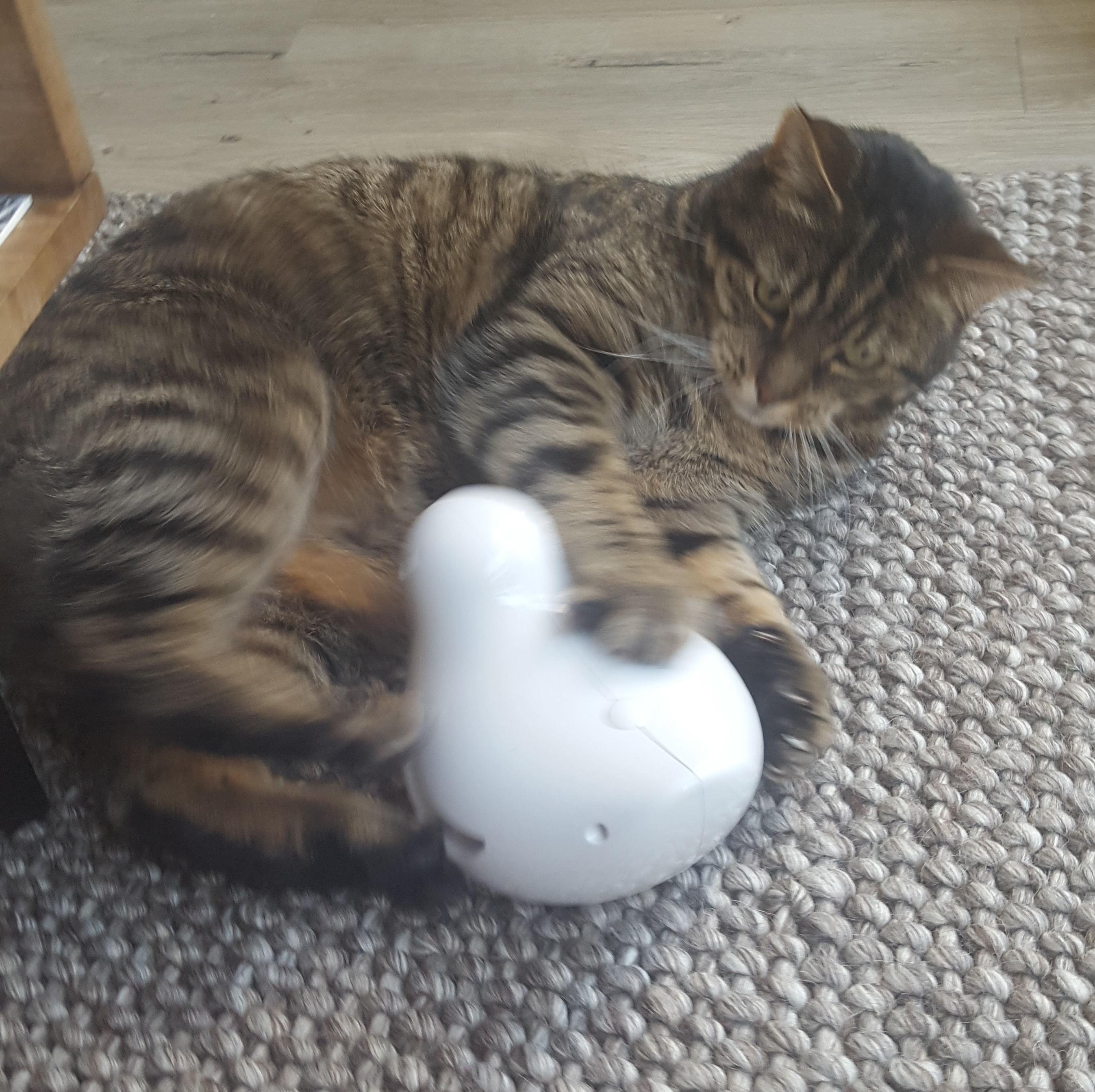
Dirk is – frankly – pretty docile but even he doesn’t always do what I want him to do or play with a toy quite the way it was intended… PetSafe’s Peek-a-Bird is one such example.

The Peek-a-Bird has openings on either side and when switched on a feather appears randomly from either side so your cat can chase it. Sometimes it appears on the same side twice in a row so it is not possible for your cat to predict on which side the feather will appear next. The feather moves around for a bit before retreating to entice your cat to hunt for it.

A play session lasts for 10 minutes after which the toy switches off automatically. You can also activate and ‘all day’ mode. The toy then switches on for 10 minutes at a time every two hours. Even better: it also switches on when the sensor picks up movement from your cat. Basically, your cat will have a toy that switches on whenever they want to play! I absolutely love that idea.

As I said, though, Dirk had other ideas of how to play with the toy!

When switched on, Dirk keeps watching it and also tries to bite the feather, but he does not chase the feather much. However, as soon as the bird switches off he wants to play with the bird itself. He does sometimes try and get the feather out of the toy when it’s switched off, but his main focus is giving the bird a good kicking.

He’ll kick it around the floor or the rug and also seems to like kicking it back and forth with me. Should perhaps not have been too much of a surprise as he is named after a football player 😉

But in any case, that is not what I expected him to do at all. When the Peek-a-Bird is on the floor somewhere he’ll walk over to it when he wants to play with me and starts pushing or kicking it towards me.

Peek-a-Bird also comes with a spare feather in case the first one becomes too damaged to play with. Knowing most cats are mad about feathers (Dirk is too with some of his other toys) it’s good that PetSafe included a spare one. However, it would be even better if they start selling extra spare feathers as I can imagine some cats will quickly go through both.

My guess is that cats will either love Peek-a-Bird or ignore it and whether or not your cat will like it may be difficult to predict. I’d recommend it to owners of kittens or cats that enjoy hide-and-seek style games.