Top Tips for Keeping Your Pet’s Heart Healthy

* From my partners at katzenworld.co.uk

The heart is one of the most important organs in the body, not only for humans, but for our furry family members too. It’s therefore crucial to keep it strong and healthy – anything that stops the heart from functioning as normal, such as changes in size, shape or rhythm, can cause problems.

PDSA Vet Nurse, Nina Downing, said “Heart problems can be fairly common and cause a wide range of symptoms – some animals can live with a heart condition for years with minimal impact on their life, while others may have severe, life-threatening symptoms. There are several things you can do to support the heart health of your four-legged friend.

Watching out for symptoms 

“There are important signs of heart disease to look out for in pets which, sadly, may worsen over time. While heart disease can’t be cured, there are treatments which can help to manage your furry family member’s symptoms and slow the progression of the disease. Things to look out for include your pet stopping or slowing down while exercising, breathing faster than normal when they are sleeping, taking a while to catch their breath after exercise, low energy, panting for longer or more often, coughing or, for cats in particular, breathing with an open mouth.  Pets struggling with a heart condition may also collapse.

Maintaining a healthy weight 

“If your furry family member is carrying extra weight, their heart has to work harder, which adds a lot of strain. Making small changes, such as weighing out their food, cutting back on unhealthy treats, and not giving in to puppy dog eyes at the table, are small changes you can make to help them maintain a healthy weight. Talk through any concerns about your pet’s weight with your vet – they may suggest a weight clinic to help support you.

Getting enough exercise 

“Exercise is a key part in keeping your pet’s heart healthy. Making sure your pooch is going for daily walks, suitable for their size, weight, and fitness ability, is really important. In between walks, have fun and play games together to help keep dogs moving.

“Cats enjoy playtime too – even if your cat is active and enjoys roaming outdoors, they will still enjoy special time with you, which will motivate them to exercise, and it’s great for bonding. If they are slightly overweight or more reluctant to move around, short play sessions are a great way to introduce a new exercise regime. You can increase the length of activities, as your cat gets fitter and more enthusiastic.

“Engaging your cat with toys, such as balls, teaser toys, wind-up chase toys, will also encourage their natural hunting instincts.

Regular vet checks  

“Catching heart problems early can make a big difference to your furry family member’s long-term health. Regular check-ups with the vet, where they can listen to your pet’s heart, can help pick up a problem before it develops.

“If you are concerned about your pet’s health, or they display any worrying symptoms between check-ups, always book an appointment so your vet can offer advice and treatment to keep your pet happy and healthy.”
Benefits of raised water and food bowls

* Adapted from katzenworld.co.uk

It is becoming increasingly popular to elevate cat bowls. But is there any real benefit to doing so? Does elevating a cat‘s water bowl or food bowl make sense? The answer is yes!

Of course, some cat owners choose elevated bowls just for aesthetics, but vets now recommend them to help prevent indigestion, vomiting, and strain on your cat’s back and neck.

Raised bowls are especially beneficial for cats with swallowing issues, older cats or cats with arthritis. They find it much more difficult to bend down to the food or water bowl.

Check out some great ones in the Katzenworld shop!

Giving your cat pills

As a cat sitter I regularly need to give pills to my clients’ cats. Some cats have a reputation for spitting out the pills even when they have seemingly swallowed it. They walk away and when you walk over to see them a few minutes later there’s a pill on the floor. Other cats are very relaxed about it: they just eat a pill when it’s mixed in with their food (dry or wet) or hidden inside a treat.

And then there’s my own cat…. He’s generally placid, as those of you who regularly read about Dirk will know, but try giving him worm treatment…. You can hide it in his wet food (which he only gets as a treat) and he won’t touch it. He won’t even eat it if I crush the pill into a very fine powder and then mix it into his food – which works fine with his fibre supplement. I brush his teeth so he is quite used to me restraining him, opening his jaw and putting a toothbrush in his mouth so that can’t really be it either.

In fairness to Dirk – or perhaps just to make myself feel better – I blame the size of the pills. He needs XL sized worm tablets as he is over 4kg. Or perhaps it is the smell and/or taste because breaking the pills into two doesn’t help much either. Maybe this is his one act of defiance, his one thing to show me he’s still a wild cat at heart 🙂

Because Dirk is such a tricky customer when it comes to worm treatment I have tried a lot of things! Everything works once; second time I try it Dirk is having none of it. However, these might work for you so here’s what I’ve tried so far.

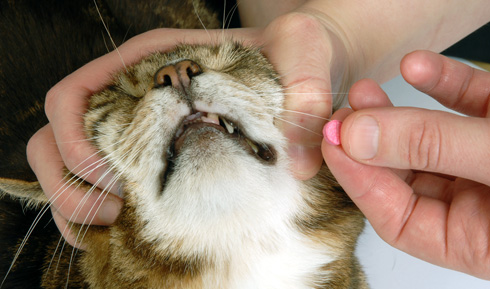
My husband restrained Dirk anrestraind I tilted his head back just as is shown in the video on International Cat Care’s website. I put the pill inside and then released my grip on his head but kept his mouth closed. What happened next? Foaming at the mouth, angry growling noises, he was doing everything he could to escape. I was afraid that I’d hurt him because I saw blood in his mouth only to discover that is was MY blood because he’d bitten my fingers! It started with all of us being calm and I was gently reassuring Dirk that everything was going to be all right but it ended with everyone being upset and the pill on the floor.

popperThe pill popper was a promising idea. My fingers wouldn’t need to go inside Dirk’s mouth and you can put the popper in the back of the throat so the cat is more likely to swallow it whole. The vet showed me how to do it and it worked. However, the warning signs were there as Dirk had the most angry look on his face afterwards. Needless to say it didn’t work when we tried it at home a few months later.
pocket

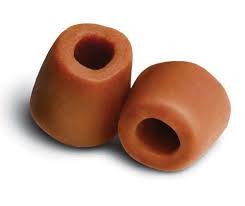
Next we tried the pill pocket. I’ve been using this quite a lot with clients’ cats so I was optimistic. I broke the pill into two halves and put each half inside a pocket. I first gave Dirk an empty pocket so he could taste it and see it as a treat. He loved it! I was a bit worried he’d smell the pill inside, but he ate the first pocket with half a pill inside without problems. Great! Except he then refused to eat the second half.
Back to the vet for more ideas.

paste
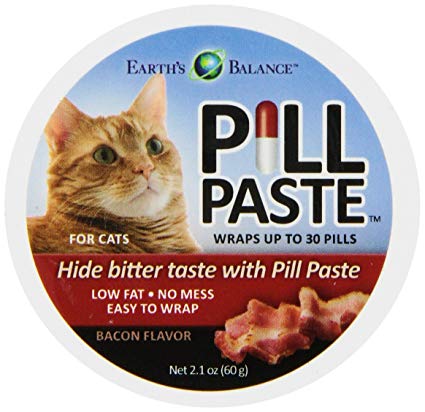
The vet nurse recommended a sort of paste. She said it had made her life so much easier as she sometimes was the only one on shift and needed to administer pills by herself. Just warm the paste in your hand and them wrap it around the pill and the cat will happily eat it. Well true enough, Dirk happily ate it…. Just the once. Now he won’t even eat the paste itself.


As Dirk is an indoor only cat we’ve resorted to the vet giving him his worm treatment during his check-ups. Dirk goes every 6 months because he’s getting a bit older so now he gets worm treatment twice a year. Not ideal, but we keep his flea treatment up to date so the vet is OK with this worm treatment regime.

Take Your Cat To The Vet Day

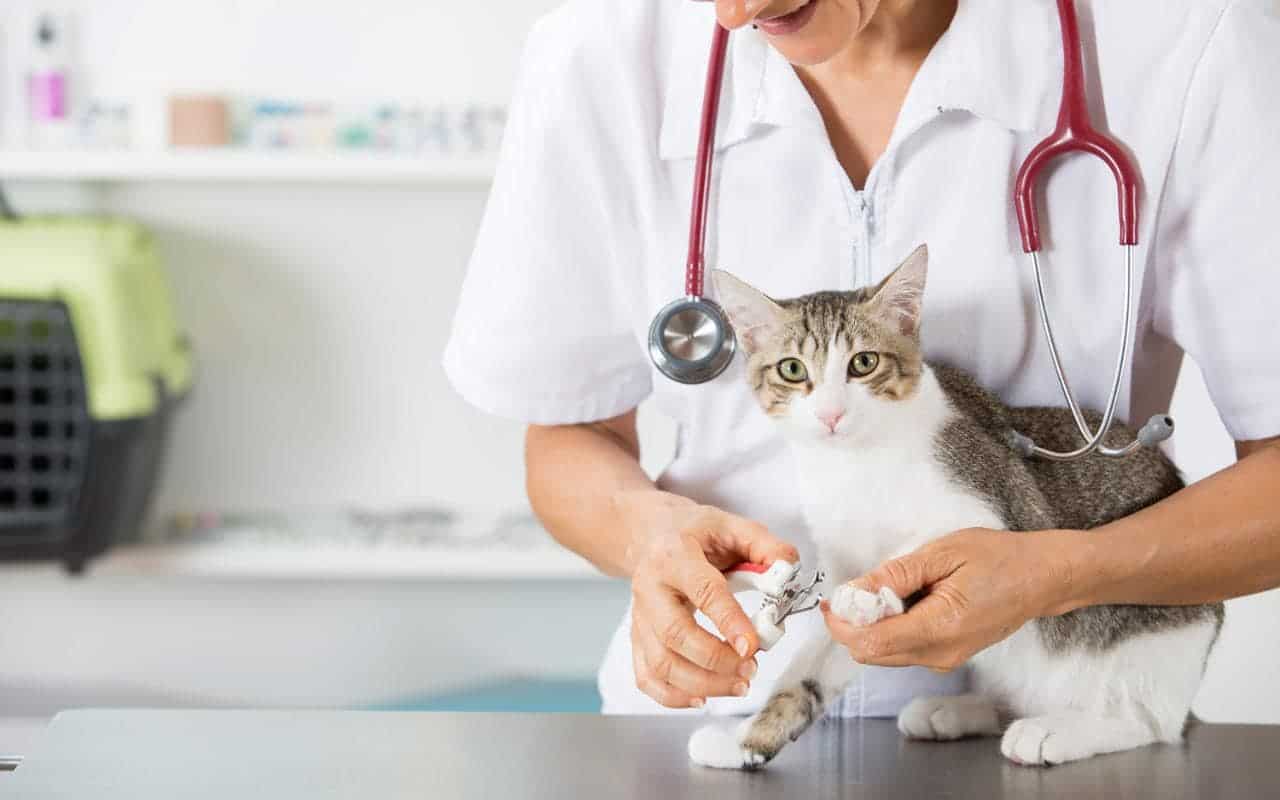
It is ‘Take Your Cat To The Vet Day’ today. This doesn’t mean we should all be taking our cats to the vet today, but it is important to take your cat to the vet for regular health checks. ‘Take Your Cat To The Vet Day’ wants to raise awareness about the importance of preventive health care.

Royal Canin and International Cat Care are advocating the importance of feline health care. How often your cat should see the vet depends on their age and health, but as a rule healthy adult cats should see the vet once a year. They can get their vaccinations and you can stock up on flea and worm treatment. Your vet will also want to keep an eye on their general health and check your cat’s teeth, weight and body condition.

Older cats should see the vet twice a year, just because they are more prone to serious health problems such as kidney disease. Cats are very good at hiding signs of illness and early detection is crucial in order to prevent the illness getting worse. This will help improve your cat’s life and may make managing an illness a lot easier for both you and your cat.

cat-at-vet-xlarge-4


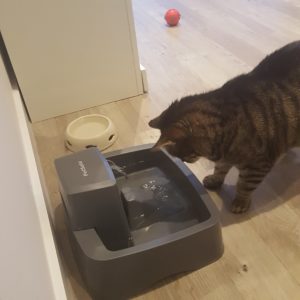
Dirk’s very first Water Fountain

Many cats prefer drinking running water over drinking still water. They drink from the tap or the shower basin or splash water from their bowl before drinking it. There are several theories about the reasons behind this. In all likelihood this behaviour is largely instinctual: in the wild, cats drink moving water as this is less likely to make them sick. Cats also have an excellent sense of hearing so it is easy for them to hear and locate the sound of running water from farther away.

Some cats happily drink from their bowls, but others insist on getting into the shower after you’ve finished or will not rest until you turn on the tap to let the water run… For those tap water loving cats, a water fountain may well be the perfect solution. Drinkwell’s big dog water fountain is also excellent for multi-cat households or for those cats that like to play with their water or tip over their bowl: they won’t manage to do so with this fountain!

Dirk has never had a water fountain, but as you’ll see he proves even an older cat can learn new tricks 😉

What is this new thing???

Ah, I see, I can play with this

As you can see, Dirk quite enjoyed playing with this fountain, something he didn’t do with his water bowl. I initially left his bowl next to the fountain just in case it took Dirk a while to start drinking from it. He only drank from the bowl once after I put the fountain down so even though he hasn’t previously had a fountain he clearly prefers it over the still water. He mostly prefers to drink from the top, right where the water comes out but drinks from the bowl section of the fountain as well. I imagine cats that love tap water will drink more from the free flowing stream (and not just play with it as Dirk does!).

This particular Drinkwell fountain is plastic and is of course free of BPA. The is filtered and the constant water circulation in the bowl helps prevent bacteria growth. The water stream entices cats to drink more and thus helps prevent urinary and kidney diseases in cats. It does make some noise, but this did not deter Dirk and I didn’t find it annoying at all.