It is becoming increasingly popular to elevate cat bowls. But is there any real benefit to doing so? Does elevating a cat‘s water bowl or food bowl make sense? The answer is yes!
Of course, some cat owners choose elevated bowls just for aesthetics, but vets now recommend them to help prevent indigestion, vomiting, and strain on your cat’s back and neck.
Raised bowls are especially beneficial for cats with swallowing issues, older cats or cats with arthritis. They find it much more difficult to bend down to the food or water bowl.
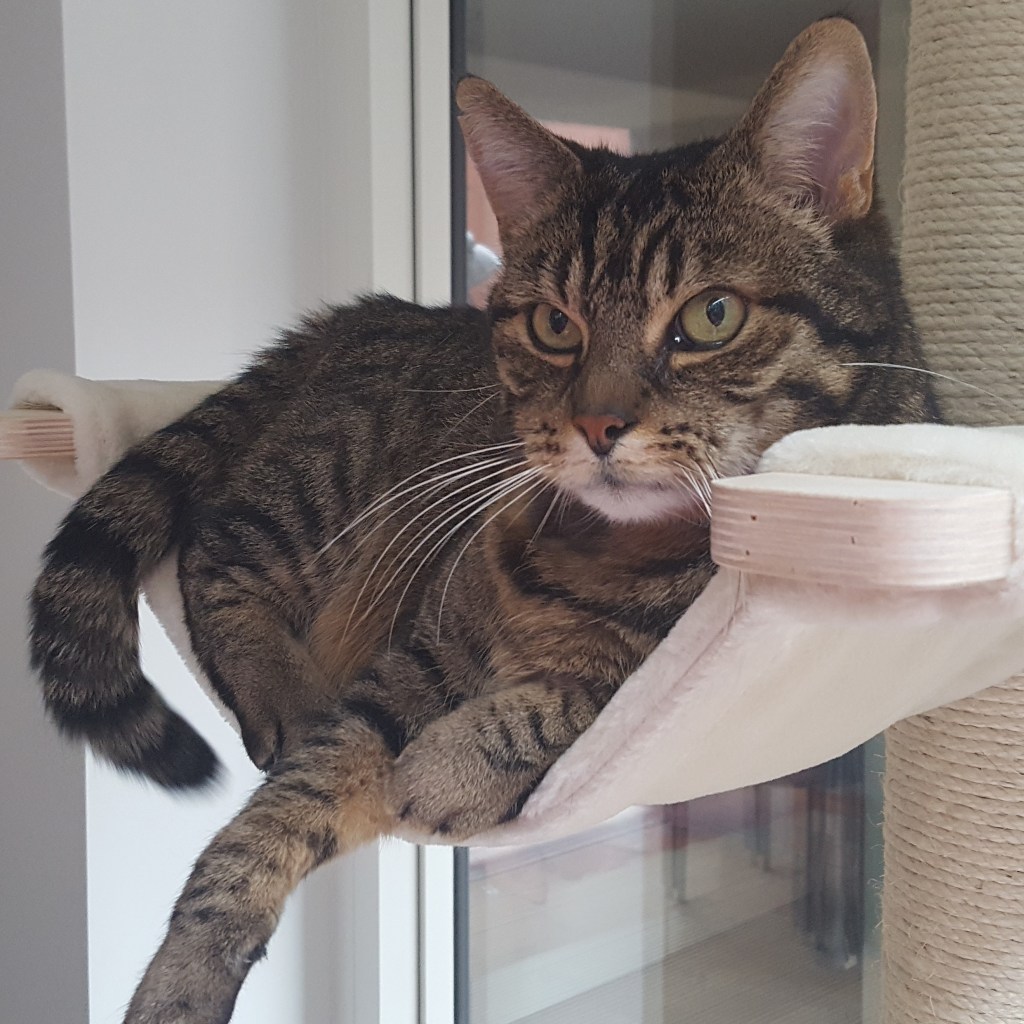
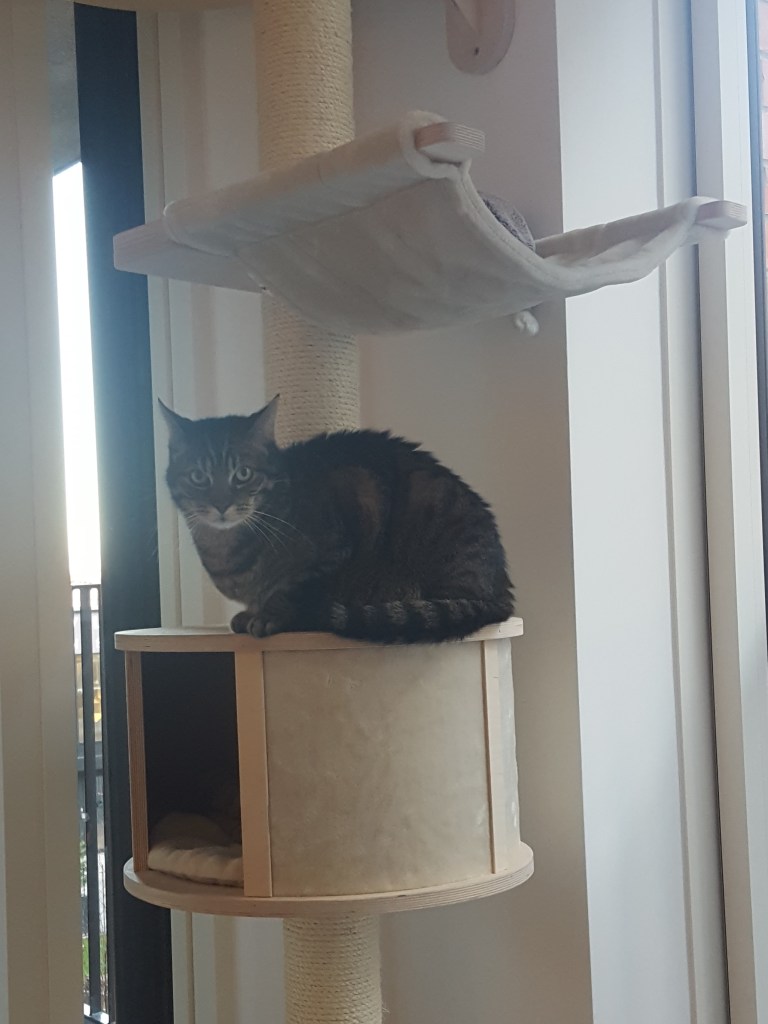
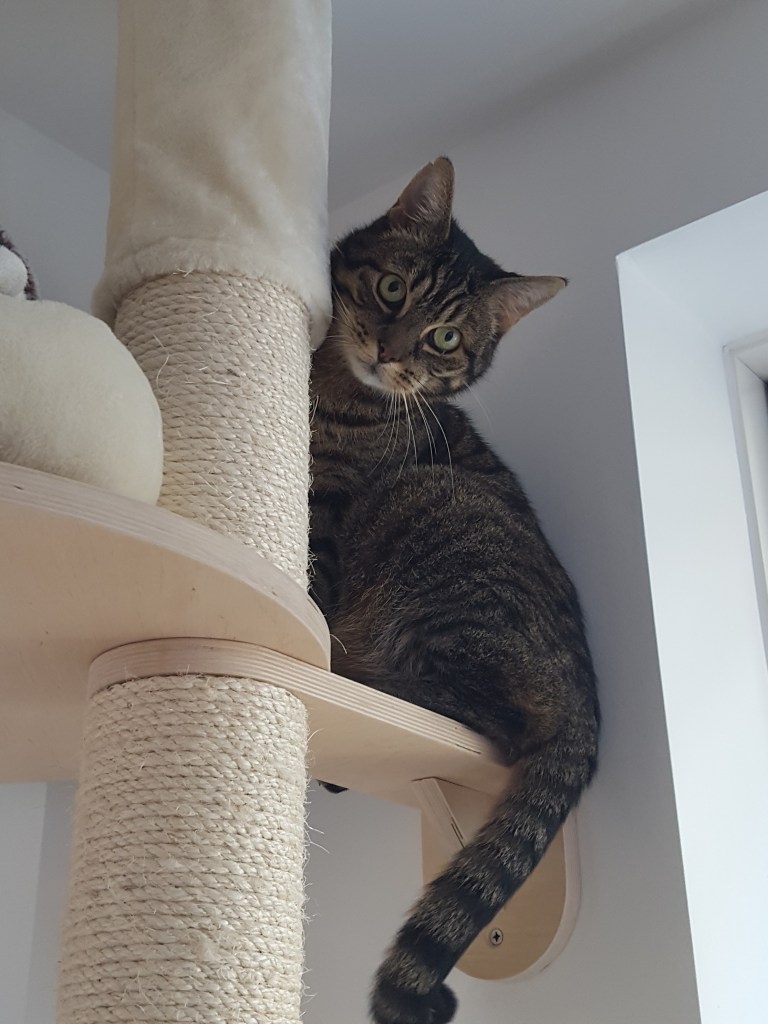
Building a cat tower requires doing some research and understanding your cat’s behaviour. It’s not an easy task. In fact, there may be instances where you build one, only to tear it down after you’ve seen how your cat is using it.
Here are some tips for building the best cat tower for your pet.
1. Research
It’s always a good idea to do some research on any project that you set your eyes on. Take some pictures, analyse reviews and talk to cat owners who own towers to gain some insight and advice. By researching, you can find design inspirations, determine which colours to use, and identify which structures you can add. The best cat trees are those that take your cat’s needs and behaviour into account, and also complement your home’s interior décor.
2. Determine The Size Of Your Home
One of the most important factors when making your decision to build a cat tower is the size of your home. You need to determine how big your walls are, how tall the trees surrounding you are, as well as the buildings around you. If you build a tower that’s too small relative to your space, your cat may be more interested in climbing taller and bigger objects. If the tower is too large compared to your space, you may feel cramped up in your space, considering it will share space with your furniture. Articles that discuss pet guides and product reviews can give you more insight into these essential considerations.
3. Determine The Tower Structure
Cat towers and houses are available in a variety of sizes. Some pet owners prefer to build them in tandem with a cat fence so that the cats will have a place to go to relieve themselves.
Most cats like to climb objects, which means that the structure you’re building needs to be tall enough for your cat to climb up and down comfortably. Your cat shouldn’t need to jump from one level to another, but the tower should help your feline companion improve their climbing skills. It is a good way to teach them to trust their paws and not use their claws when trying to climb.
4. Tower Material
The material used to build the tower can determine whether your cat will enjoy the tower. Materials such as rope, reed and thatch may be irritating for some cats because their claws get stuck in the material. Other materials used to make cat towers include wood which may be wrapped in cloth. Stay away from certain fabrics like cotton, because they may quickly become torn by the constant movement of your cat.
5. Consider The Size Of Your Cat
The best cat tower is one that can effortlessly hold your cat’s weight. You don’t want your cat to topple over or for the tower to give in to the weight. This can hurt your cat as well as the space in which the tower stood. Make sure to use a material that’s strong enough to hold your cat to avoid potentially dangerous scenarios.
6. Preferred Tower Location
Where you decide to place your cat tower is largely determined by your cat’s preferred location in the house. Some cats enjoy spending time with others in the lounge area, while others seem to prefer a quiet window corner. You may decide to place a tower where you’d prefer to see your cat, but if your cat hardly spends time in your preferred locations, then he or she may not fully enjoy the tower.
7. Rebuild
If you realise that your first attempt didn’t come out as intended, don’t be shy to dismantle and rebuild. Perhaps you’ll notice that it’s wobbly when your cat is on it, though it may appear steady. You may also notice that your cat struggles to navigate the tower because they’re too big for the tower. You simply have to observe your cat and fix the tower accordingly.
Conclusion
Before building your cat tower, you need to do some research. Gather design inspirations and building tips online. Consider the size of your home, your cat’s behaviour, and the size of the tower. Place the tower in a space that your cat enjoys. If you realise that there’s something wrong with the tower, you can always dismantle and rebuild. Wobbly towers or ones that are too small for your particular cat can cause dangerous scenarios where your cat may fall or knock the tower over. Also consider the type of material that you use to build the tower.
Pets provide unconditional love and support to their owners and many care for their pets as if they’re family members. As you embark on this journey, keep in mind that pet ownership is a huge responsibility.
Your bond with your new pet develops over time, and soon you will discover your parenting style. From showing your furry friend unconditional love to finding the best ways to care for their needs, there are many different ways you can function as a cat owner.
Lemonade defines three archetypes of pet owners to help you figure out which one you are or strive to become.
1. Newbie Nyomi
For all our first-time pet owners, we know this is a challenging time. Being a new pet parent means you might be spending a lot of your day focused on your pet’s health and wellbeing. You might be researching the best cat food or how to train your cat to come on command. These are just a few of the many questions you might be asking yourself as a Newbie Nyomi.
Don’t feel bad about being a newbie — It’s often best to do plenty of research before adopting your new companion. Try reading the latest cat owner tips and tricks to prepare yourself. Keep in mind that since this is your first pet you will probably have to buy a lot of supplies to care for your new family member.
2. Helicopter Hayden
Pet parents who identify as a helicopter Hayden are constantly near their pets ready to solve any problem that may arise. Being overprotective isn’t a bad thing, especially as a pet owner because your parenting style can increase your bond with your furry friends. Think of helicopter parents as velcro — they are fastened to their pets. You might even notice a helicopter pet parent running errands with their emotional support cat in a purse or stroller.
3. Spoiler Sayuri
Another common type of pet owner is the spoiler Sayuri, who provides zero boundaries or rules when it comes to their four-legged companions. Of course, getting attached to your new cat is normal, but spoiling them is a whole new territory. Spoiling your kitten with new toys and endless love is fine, but ignoring bad behavior or not setting boundaries in your home can lead to unhealthy habits. If you are a spoiler Sayuri, “no” might not be in your vocabulary. Before your cat takes up more than half of your space, it might be time to reevaluate your spoiling practices.
How To Become a Better Pet Owner
As you embark on your pet parenting journey, keep in mind these tips to become a better pet owner.
Reward good behavior with treats
Clean up your cat’s litter box to eliminate harmful bacteria
Create a healthy diet with a proper feeding schedule
Monitor cat’s health and schedule routine check-ups
Establish healthy boundaries in your home
Obtain pet insurance to cover your cat in case of an emergency
As you enter this new and exciting chapter of pet ownership, make sure you pay attention to your habits to find out your pet owner traits.
Still unsure which type of pet owner you are? Check out Lemonade’s website.
Cats can easily become stressed when there are changes to their environment, so it’s important to identify any triggers that can cause anxiety. Like us, our furry friends have individual personalities and will therefore be affected by different things.
PDSA Vet Nurse Nina Downing said: “Changes to a cat’s surroundings can sometimes have a negative effect on his or her behaviour which can lead to further medical problems if left unmanaged. Luckily, there are lots of tips and tricks to help you to understand why your feline friend might be showing signs of distress.”
What are the signs?
“Often the most notable sign of an unhappy cat is a change to their eating habits – those who usually enjoy their food may show less interest at mealtimes.
“Negative body language such as an arched back, coupled with antisocial tendencies, are also tell-tale signs that your furry friend is struggling. You may notice they are more vocal than usual and that their coat is deteriorating, which can indicate over grooming.
“Urinating outside of their litter tray and spraying, along with more worrying symptoms like passing blood, sickness and weight loss, can mimic other medical conditions, so be sure to consult your vet for a proper diagnosis.”
Changes to their environment
“Significant changes to their environment can be a major cause of stress in cats – this includes any redecorating, renovations or replacing of their belongings. When making any major adjustments, ensure they still have a safe space with separate areas for their food, water, litter tray, and scratching posts – as well as a comfy place to sleep.”
Social changes
“Many cats are territorial and tend to prefer their own company and space. Changes such as the arrival of a new pet or baby can be very stressful – as can any loss, so it’s important to help your cat through these stages. Our feline companions also like routine, so try to stick to a regular feeding schedule and make time to play with them each day.”
How do I stop my cat from getting stressed?
“Ensuring your cat’s main welfare needs are met is the best way to avoid a stressed-out puss. Just like us, keeping them active may also help reduce stress, so make time for games and activities each day.” Check out the PDSA website or the Katzenworld shop for lots of fun toys.
“For furry friends who enjoy time outdoors, consider a cat flap so they can come and go as they please. It’s best to choose a microchip option to stop unwanted cats from entering your home.”
“If you are anticipating something that could be stressful for your cat, consider investing in a pheromone diffuser or natural essential oil diffuser which provides comfort and prevents urine marking and unwanted scratching.” Please do note though that in terms of the essential oil diffuser it is of utmost importance to use a species appropriate product such as Pet Remedy and only in it’s intended way. Cats especially react sensitively to oils and improper use or using the wrong one can be dangerous.
With many people returning to the workplace after the latest government updates, this means that we will be spending more time away from home – and less time with our furry friends.
According to PDSA Vet Nurse Nina Downing, this can have a huge impact on our pets. “The pandemic has turned our normal routines upside down, and our pets are affected just as much as we are. According to our PDSA Animal Wellbeing Report 2021, nearly one in five (18%) dogs in the UK acquired since March 2020 have shown signs of distress when left alone. For dogs acquired before March 2020 the figure is 5%. Signs of separation anxiety, or separation-related behavior (SRB) can vary from excessive whining and barking, destroying things, loss of toilet training, trying to escape, depression and inactivity.”
Though we can’t be with our pets 24/7, there are plenty of things we can do to help them get used to being without their owner. Preparation is key, so that they feel comfortable when left alone, as they could have become used to having constant company.
See below for Nina’s top five tips:
Keep them company
“Many of us have responsibilities away from home that we just can’t avoid. Make sure pets aren’t left alone too long by popping home on your lunchbreak or getting a neighbour to check in once or twice a day. If that’s not possible, use professional services like pet sitters and doggy day care.
Create a safe space
“Give your pet a space in the home they can call their own, where they know they will be safe while you’re away. Make this area free from noise, comfortable and relaxing with toys and chew items to help to create a safe haven for them. By doing so, we provide a place to escape anything that might be scary.
Ease into new routines
“Just like we’ve had to get back into the swing of normality again, it really helps our pets if we can ease them into new routines. Use the same word as a cue such as “leaving” and something visual like placing a certain object in the same place so your dog understand this is when they will be left alone. When getting your pets used to being left, leave them alone for short periods of time, gradually increasing the length of time every time after that when they are comfortable. This way, they’ll soon become used to you leaving and coming back and won’t be anxious about not knowing when they are going to be left.
Stimulation
“One of the simplest actions we can take to prevent our pets from getting bored is giving them something to do. Feeder toys, stuffed with pet appropriate paste and then frozen, are excellent for keeping their brains active for long periods of time – and may remove the temptation to destroy household items too!
Set a calming atmosphere
“There are a number of ways you can form a tranquil environment for your pet. We recommend using special items like plug-in diffusers and collars that release natural soothing pheromones or herbal remedies, creating a calming atmosphere while you’re away. Think of this as turning your home into a furry friend spa!”

 happycats.london