How to Build the Best Cat Towers

* From my partners at katzenworld.co.uk

Building a cat tower requires doing some research and understanding your cat’s behaviour. It’s not an easy task. In fact, there may be instances where you build one, only to tear it down after you’ve seen how your cat is using it.

Here are some tips for building the best cat tower for your pet.
1. Research

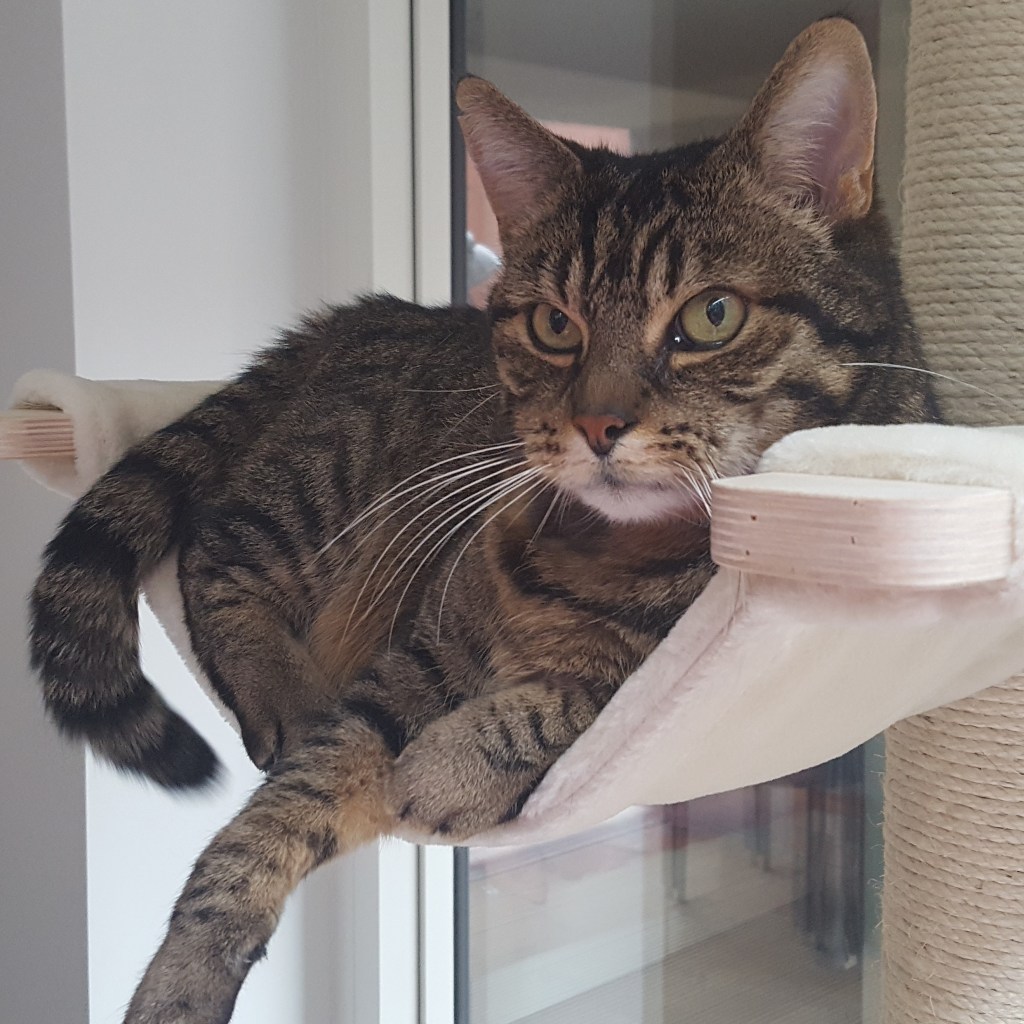
It’s always a good idea to do some research on any project that you set your eyes on. Take some pictures, analyse reviews and talk to cat owners who own towers to gain some insight and advice. By researching, you can find design inspirations, determine which colours to use, and identify which structures you can add. The best cat trees are those that take your cat’s needs and behaviour into account, and also complement your home’s interior décor.

2. Determine The Size Of Your Home

One of the most important factors when making your decision to build a cat tower is the size of your home. You need to determine how big your walls are, how tall the trees surrounding you are, as well as the buildings around you. If you build a tower that’s too small relative to your space, your cat may be more interested in climbing taller and bigger objects. If the tower is too large compared to your space, you may feel cramped up in your space, considering it will share space with your furniture. Articles that discuss pet guides and product reviews can give you more insight into these essential considerations.

3. Determine The Tower Structure

Cat towers and houses are available in a variety of sizes. Some pet owners prefer to build them in tandem with a cat fence so that the cats will have a place to go to relieve themselves.

Most cats like to climb objects, which means that the structure you’re building needs to be tall enough for your cat to climb up and down comfortably. Your cat shouldn’t need to jump from one level to another, but the tower should help your feline companion improve their climbing skills. It is a good way to teach them to trust their paws and not use their claws when trying to climb.
4. Tower Material

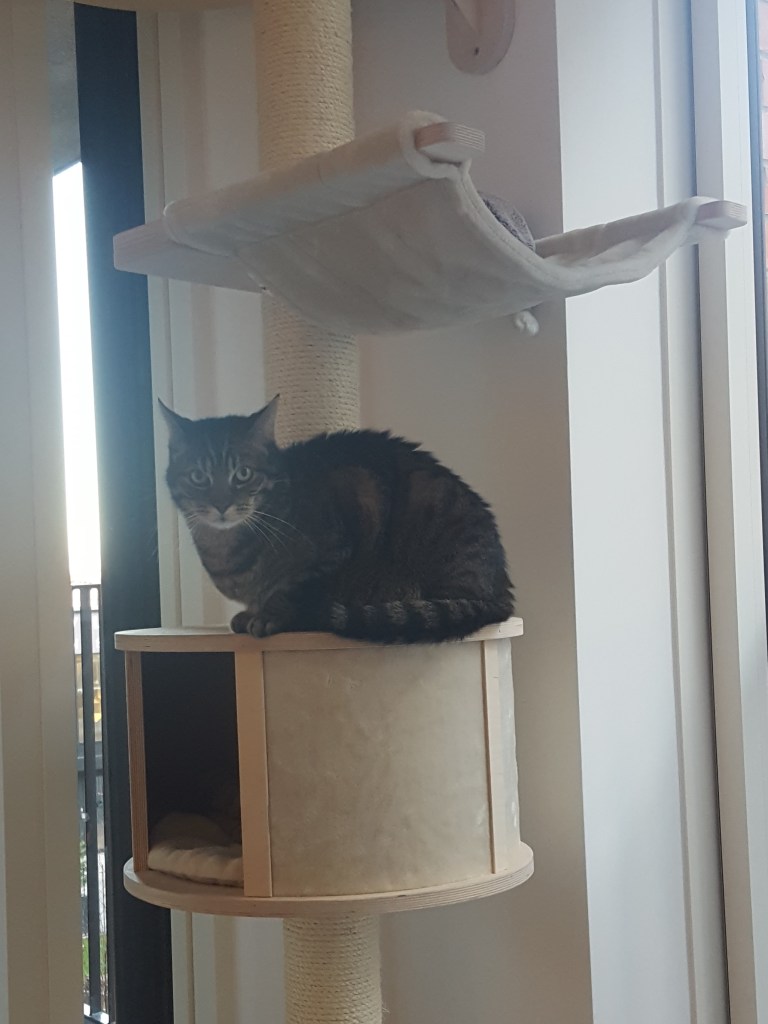
The material used to build the tower can determine whether your cat will enjoy the tower. Materials such as rope, reed and thatch may be irritating for some cats because their claws get stuck in the material. Other materials used to make cat towers include wood which may be wrapped in cloth. Stay away from certain fabrics like cotton, because they may quickly become torn by the constant movement of your cat.

5. Consider The Size Of Your Cat

The best cat tower is one that can effortlessly hold your cat’s weight. You don’t want your cat to topple over or for the tower to give in to the weight. This can hurt your cat as well as the space in which the tower stood. Make sure to use a material that’s strong enough to hold your cat to avoid potentially dangerous scenarios.
6. Preferred Tower Location

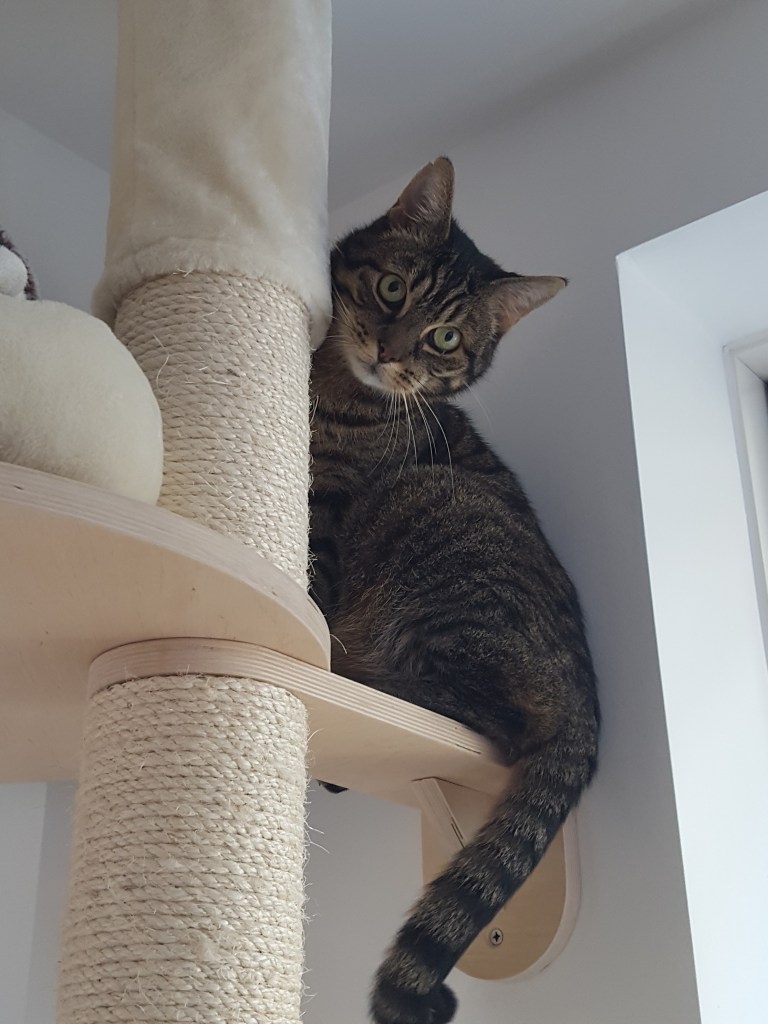
Where you decide to place your cat tower is largely determined by your cat’s preferred location in the house. Some cats enjoy spending time with others in the lounge area, while others seem to prefer a quiet window corner. You may decide to place a tower where you’d prefer to see your cat, but if your cat hardly spends time in your preferred locations, then he or she may not fully enjoy the tower.

7. Rebuild

If you realise that your first attempt didn’t come out as intended, don’t be shy to dismantle and rebuild. Perhaps you’ll notice that it’s wobbly when your cat is on it, though it may appear steady. You may also notice that your cat struggles to navigate the tower because they’re too big for the tower. You simply have to observe your cat and fix the tower accordingly.

Conclusion

Before building your cat tower, you need to do some research. Gather design inspirations and building tips online. Consider the size of your home, your cat’s behaviour, and the size of the tower. Place the tower in a space that your cat enjoys. If you realise that there’s something wrong with the tower, you can always dismantle and rebuild. Wobbly towers or ones that are too small for your particular cat can cause dangerous scenarios where your cat may fall or knock the tower over. Also consider the type of material that you use to build the tower.

Dirk the Rocket Cat

* Originally written by me for katzenworld.co.uk

The MelloCat Rocket Roller is one of those toys I wasn’t quite sure of initially. I mean, it looks like a rocket (complete with take-off smoke) which is sort of cool. But rockets and cats?

Once again, Dirk took me by surprise and was immediately taken with this toy.

Rocket-1.1
Give me that, I know it’s for me!

I’m sure you all know what Dirk is going to do with this toy! Yes, that’s right: give it a good kick 😉 And he can be really quite ferocious when kicking it so this is a proper workout for his hind legs. The toy is quite large: he can easily grab hold of one side and then kick the other side of the rocket.

Rocket-2-4

My favourite thing is to send it ‘flying’ through the house so Dirk can go and chase it. He doesn’t really let go of this toy very easily though. I guess he’s happy he’s our only cat because sharing toys would be a serious problem…

Rocket-3
Look at me and my cool rocket! We’re totally going places 🙂
(No, not really Dirk, you just look silly)

The MelloCat Rocket Roller is handmade and it looks amazing. It’s really well made and quite sturdy, it can take a lot of kicks! Cats that love kicking toys and want to look cool doing it: this is your toy 🙂

Rocket-5.1
Going to take a nap now, but don’t even think you can have the rocket back now!

How to Build the Best Cat Towers

* From my partners at katzenworld.co.uk

Building a cat tower requires doing some research and understanding your cat’s behaviour. It’s not an easy task. In fact, there may be instances where you build one, only to tear it down after you’ve seen how your cat is using it.

Here are some tips for building the best cat tower for your pet.

1. Research

It’s always a good idea to do some research on any project that you set your eyes on. Take some pictures, analyse reviews and talk to cat owners who own towers to gain some insight and advice. By researching, you can find design inspirations, determine which colours to use, and identify which structures you can add. The best cat trees are those that take your cat’s needs and behaviour into account, and also complement your home’s interior décor.

2. Determine The Size Of Your Home

One of the most important factors when making your decision to build a cat tower is the size of your home. You need to determine how big your walls are, how tall the trees surrounding you are, as well as the buildings around you. If you build a tower that’s too small relative to your space, your cat may be more interested in climbing taller and bigger objects. If the tower is too large compared to your space, you may feel cramped up in your space, considering it will share space with your furniture. Articles that discuss pet guides and product reviews can give you more insight into these essential considerations.

3. Determine The Tower Structure

Cat towers and houses are available in a variety of sizes. Some pet owners prefer to build them in tandem with a cat fence so that the cats will have a place to go to relieve themselves.

Most cats like to climb objects, which means that the structure you’re building needs to be tall enough for your cat to climb up and down comfortably. Your cat shouldn’t need to jump from one level to another, but the tower should help your feline companion improve their climbing skills. It is a good way to teach them to trust their paws and not use their claws when trying to climb.

4. Tower Material

The material used to build the tower can determine whether your cat will enjoy the tower. Materials such as rope, reed and thatch may be irritating for some cats because their claws get stuck in the material. Other materials used to make cat towers include wood which may be wrapped in cloth. Stay away from certain fabrics like cotton, because they may quickly become torn by the constant movement of your cat.

5. Consider The Size Of Your Cat

The best cat tower is one that can effortlessly hold your cat’s weight. You don’t want your cat to topple over or for the tower to give in to the weight. This can hurt your cat as well as the space in which the tower stood. Make sure to use a material that’s strong enough to hold your cat to avoid potentially dangerous scenarios.

6. Preferred Tower Location

Where you decide to place your cat tower is largely determined by your cat’s preferred location in the house. Some cats enjoy spending time with others in the lounge area, while others seem to prefer a quiet window corner. You may decide to place a tower where you’d prefer to see your cat, but if your cat hardly spends time in your preferred locations, then he or she may not fully enjoy the tower.

7. Rebuild

If you realise that your first attempt didn’t come out as intended, don’t be shy to dismantle and rebuild. Perhaps you’ll notice that it’s wobbly when your cat is on it, though it may appear steady. You may also notice that your cat struggles to navigate the tower because they’re too big for the tower. You simply have to observe your cat and fix the tower accordingly.

Conclusion

Before building your cat tower, you need to do some research. Gather design inspirations and building tips online. Consider the size of your home, your cat’s behaviour, and the size of the tower. Place the tower in a space that your cat enjoys. If you realise that there’s something wrong with the tower, you can always dismantle and rebuild. Wobbly towers or ones that are too small for your particular cat can cause dangerous scenarios where your cat may fall or knock the tower over. Also consider the type of material that you use to build the tower.
Cat agility (or training your cat)

I was at the London Cat Show in 2019 and they had a cat agility section, much like dogs do at Crufts. Obviously, I was intrigued and curious to see how (or actually whether) the cats would perform. They did much as I expected: not so well. I have no doubt that all cats in the agility section are actually really good at doing the agility course, but cats do not perform well in front of an audience, under pressure, or with an unfamiliar trainer.

You can train cats to do tricks on command: Dirk has mastered giving paw. And not just that: if I know once it means right paw, two quick knocks means left paw. In return, because there has to be something in it for him, he gets a treat, but only if he gives my the correct paw and does not use his nails…

It is actually a lot of fun to train your cat. You build a way of communicating and interacting with them that is rewarding for both of you. Cats learn best when they trust their trainer and feel happy in themselves and their environment. And if you want to show off to friends and family it’s best to film their performance rather than rely on a live performance on the day.

http://www.heikkisiltala.com

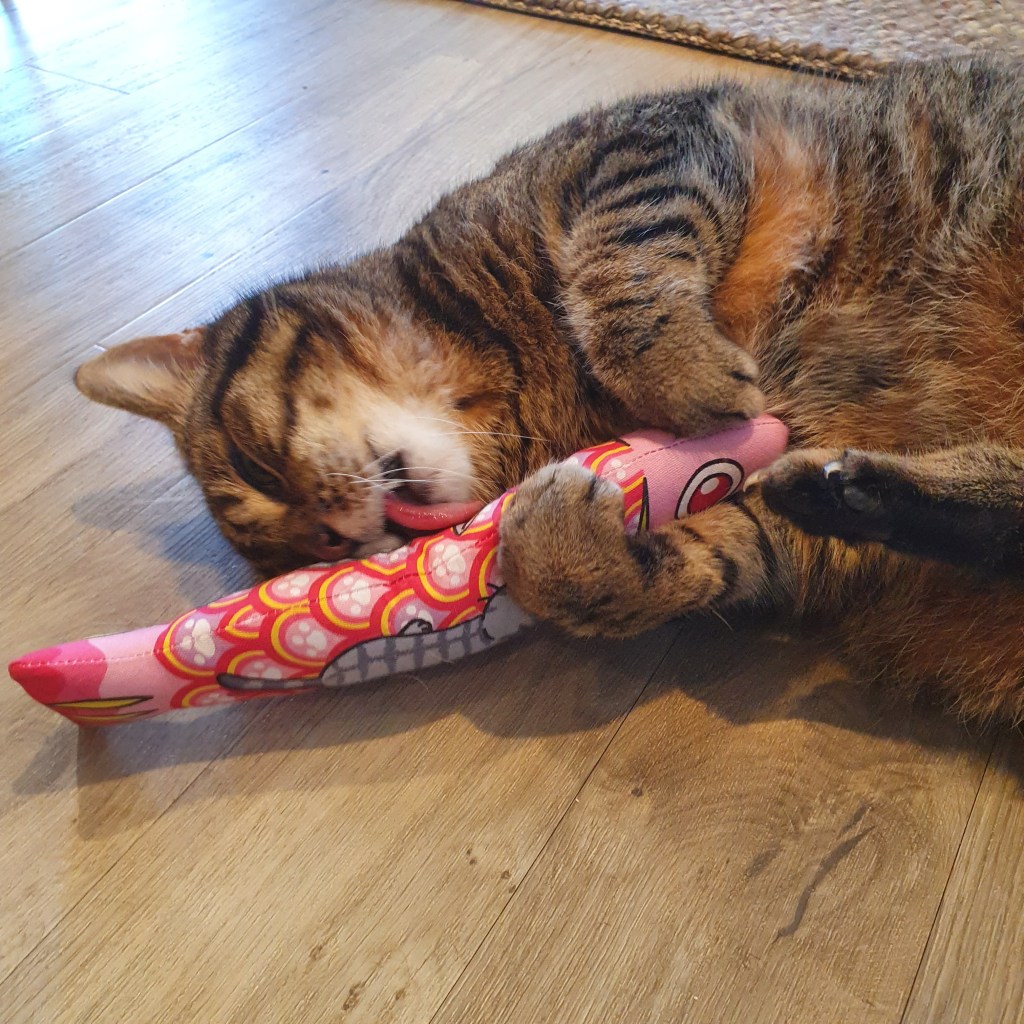
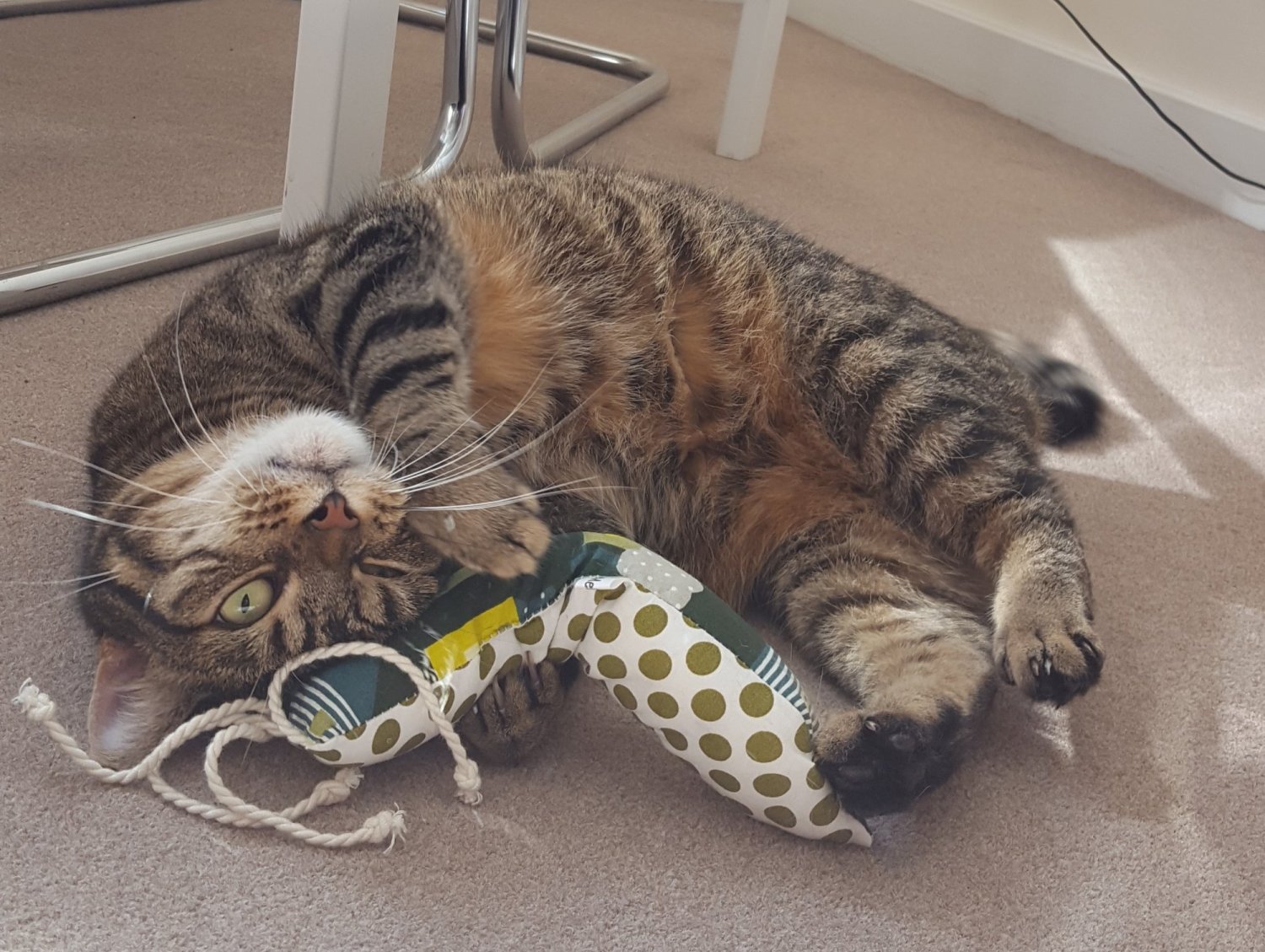
Dirk discovers Nyagomidokoro’s fish kicker

If you regularly read my blog then you’ll know I sometimes review cat toys for Katzenworld. I’ve met them at cat shows as well and I know they sell the best cat toys. I wanted to give Dirk a new toy and preferably not a catnip one this time! He has plenty of those 🙂

I came across a Japanese brand, Nyagomidokoro. Their toys look great and they contain matatabi, or silvervine. Dirk has never tried that so I was curious and got him a fish kicker. Any toy that involved vigorous kicking is a hit with Dirk so I was hopeful about this one too.

As pictures are always better than words I’ll just show you how much Dirk likes his new toy. The one thing you can’t see in the pictures is that he was even drooling all over them and the floor!

And in case you are worried about the smell, I find it quite pleasant and not too strong (I like catnip too, but it makes my nose feel a bit itchy when it’s fresh).

If you want to get your cat something new this Christmas, check out the series of Nyagomidokoro toys or any of the other toys in the Katzenworld shop.

You may think Dirk likes all cat toys, but I only write reviews about the ones  he likes. I give feedback about the ones he does not like to the manufacturer so they can improve their product. Sometimes it’s simply a case of toys being more suited for kittens than older cats in which case I recommend they add that to their marketing details.