Keeping Pets Safe and Healthy this Winter

* From my partners at katzenworld.co.uk

As the darker nights are drawing in and the days get colder, PDSA is offering advice to help keep our pets safe, happy and healthy over the coming winter months.

PDSA Vet Nurse, Nina Downing, said: “With reports of wet, stormy and freezing weather expected over the next few months, it’s important to remember that, despite their fur coats, pets can suffer from the cold just like we do. They can’t tell us how they are feeling, or if they’re suffering, so it’s up to us to make sure we provide the extra care they need during colder weather.”
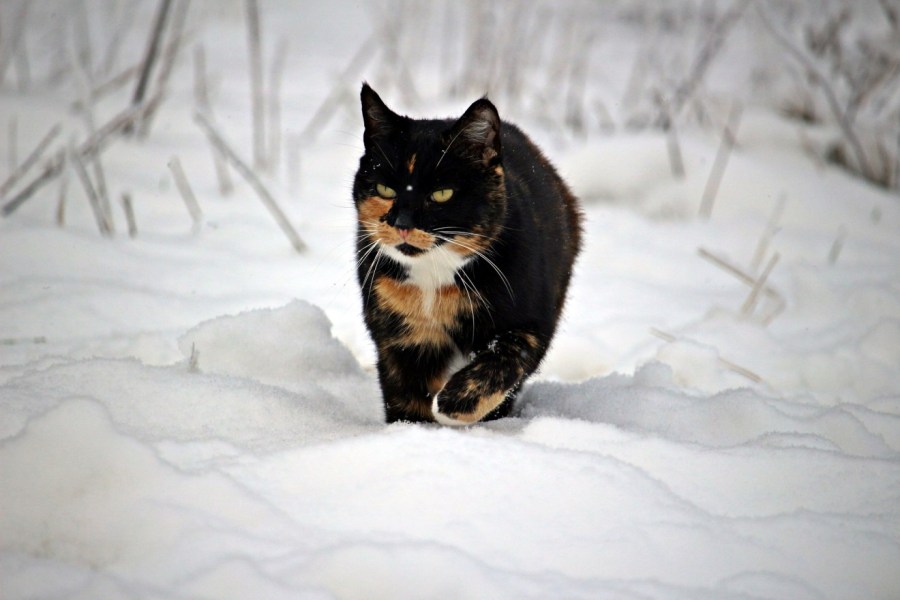
winter2

To keep our much-loved four-legged friends cosy and content this winter, Nina has put together some top tips for pet owners.

Dogs and cats

  • Make sure they always have access to warmth and shelter – never leave them outside for long periods.
  • A suitable waterproof coat can help keep dogs dry, and especially good for pets that are very young or old, are sick, or have very thin fur.
  • Dogs will still need daily walks and cats may still want to go outside, but keep these excursions short and frequent, rather than longer periods outdoors. But don’t force pets to go outside if they don’t want to.
  • Never leave pets in cars, caravans or unheated conservatories, as temperatures can quickly plummet, risking hypothermia.
  • After a walk, towel-dry them straight away if they get wet. A hair-dryer on a low setting can be useful to dry off dogs with longer hair. To avoid burning your pets’ delicate skin it’s important not to hold it too close to their body.
  • Check pets’ paws regularly and clean any build-up of salt, grit or dirt from them, as this can be painful.
  • Wear a high visibility jacket yourself for walks on dark nights, and use a high-vis or LED collar and a hi-vis dog jacket to make walking near roads safer.
  • If you spot your pet shivering, bring them into the warmth straight away and call your vet. Hypothermia can develop quickly and can be fatal if not treated.

For more advice on taking care of your pet this winter, visit www.pdsa.org.uk/winterhealth.

PDSA is the UK’s leading vet charity. We’re on a mission to improve pet wellbeing through prevention, education and treatment. Support from players of People’s Postcode Lottery helps us reach even more pet owners with vital advice and information.

Challenges of keeping indoor cats happy

* Originally written by me for citikiti.co.uk

From the ICatCare Conference

Vicky Halls, the well-known cat behaviour counsellor, was one of the expert speakers at the conference in Birmingham. One of her presentations focussed on keeping cats happy, especially indoors cats. My own cat lives indoors and so do many of our clients’ cats. There are many things we can do to keep our cats happy: activity feeders to prevent boredom and combat overeating, playing games with our cats and providing hiding & resting places for our cats.

The biggest challenge, however, is our relationship with cats and this was the topic of Vicky Halls’s talk.

I will be the first to admit that I talk to my cat and I also talk to your cats when I’m visiting. I say hello to let them know I’m there, they hear my voice and pick up on my energy and decide whether or not they want to coma and say hello to me. I am under no illusion, though: my cat has no idea what I’m talking about. He is, after all, a cat!

Sure, our cats know certain words. ‘Treats’ is one such example. My cat usually comes over when I use his name, but we all know that cats sometimes hear their name being called but choose to ignore it! So cats recognise some words and may respond to them, but this doesn’t mean they always understand what we are saying.

Picture the following ‘ conversation’ with your cat: “Hi sweet pea, I’m home!!! Where are you? Come on out. I’m so sorry I’m late, are you hungry? Did you miss me? Yes, you missed me, I missed you too! I’m sorry I was away all day, you must have been so lonely!”
We may not use those specific words or voice those feelings, but many of us feel guilty for leaving the cat alone all day and feel the need to give the cat quality time when we get home. We tend to think of our cats as family members. While it is great that we care so much about our cats, we should always keep in mind that a cat’s needs are not the same as our own. Or, as Vicky Halls put it, we shouldn’t make the mistake of thinking: me + love = happy cat.

When you read the ‘conversation’ I wrote above you can well imagine that the amount of love and focus and energy is all a bit too much for your cat. Cats are happiest when they have a sense of control over their environment and their interaction with us. Some cats enjoy a lot of fuss and cuddles, but most cats are quite happy just sitting in the same room with us or on the sofa next to us and just being stroked occasionally. They enjoy playing games with us, mainly games that mimic their natural behaviour such as hunting.

When your cat can go outside, they can ‘escape’ us for as long as they want to and they are quite happy on their own! Indoors cats don’t have the luxury of escape, so we should respect their need to control their environment and the quantity and quality of interaction they want. And who knows, your cat may well give you a slow blink to thank you!