Revealed: Naughtiest Cats in UK

* Originally written by Rebecca Owens for ProtectaPet

The fire brigade has been called out to save more than 2,000 cats in London since 2015 – making it the moggy rescue capital of the UK.

Meanwhile, Essex is revealed as the place where felines stick to the straight and narrow most often.

There were 2,061 callouts recorded over the past seven years in London but its neighbouring county had just nine.

Freedom of Information requests have shown the second naughtiest cats live in the West Midlands, with more than 100 fire brigade callouts made.

Birmingham cats were saved 52 times.

Kent and Hertfordshire moggies also ranked highly, with 40 and 39 incidents.

Cardiff, Humberside and Nottingham were mid-league with 36, 32 and 28 callouts respectively.

And Liverpool accounted for 11 callouts.

The most common reasons for rescue were cats being stuck in trees, chimneys and on roofs.

Eve Davies, director at ProtectaPet, which makes fence barriers to keep pets safe, said: “Cats love exploring. Sadly, they can sometimes find themselves in tricky situations.

“We recommend owners ensure their homes and gardens are safe and secure, whether that’s with cat fencing, enclosures or catios  – or simply creating a good routine so owners can closely monitor their comings and goings.”

Cat Fencing for Bengals

* Originally written by Rebecca Owens for ProtectaPet

The beautiful Bengal cat is one of the top favourite picks for a family pet. This highly intelligent breed often turns heads due to its unique markings!

One of the defining characteristics of the Bengal is how agile this breed is, and for being strong and muscular. 

A concern we often receive here at ProtectaPet by Bengal owners is how can our system hold up with this powerful breed? Let us tell you how!

ProtectaPet have developed a range of cat containment products to keep cats contained in the garden. The ‘Bengal Bend’ on our 70cm overhang fencing bends in such a way that it is extremely difficult for even Bengals to climb over.

We also offer Catio‘s which are fully enclosed with galvanised and black powder coated steel for integral strength and durability.

ProtectaPet Fencing Brackets

  • Designed and Manufactured in Britain
  • Patented technology and optimum aesthetics
  • Minimal maintenance and long life in use with black gloss powdercoat
  • Bengal Bend on the 70cm overhang
  • ProtectaPet® logo as a marque of quality

ProtectaPet Cat Mesh 

  • Exclusively manufactured for ProtectaPet, our mesh has been designed specifically for keeping cats in safe outdoor territories
  • UV stable polypropylene with high tensile strength for longevity
  • Designed to flex to create instability if your Bengal attempts to climb it
  • Unobtrusive
  • Superior quality designed specifically for cat safety 

Keep your Bengal cat safe with ProtectaPet.

Cat Fencing for Maine Coons

* Originally written by Rebecca Owens for ProtectaPet

The majestic Maine Coon is one of the most recognisable breeds in the World. Bred to be big and strong to hunt vermin, this cat breed is referred to as being the dog of the cat world, and it’s easy to see why!

Although they are the biggest of the domestic cats recognised by GCCF, their sweet nature makes them extremely loyal companions, and they are also known as ‘gentle giants’.

It’s no surprise that this breed has grown in popularity in recent years, however as Maine Coons possess strength and admiration, cat owners have to think twice about keeping this beautiful breed protected and safe.

ProtectaPet have developed a range of cat containment products, with the first ever prototype designed for a Maine Coon! The protection of large and strong breeds is integral to ProtectaPet systems.

ProtectaPet Fencing Brackets

  • Designed and Manufactured in Britain
  • Patented technology and optimum aesthetics
  • Minimal maintenance and long life in use with black gloss powdercoat
  • Bengal Bend on the 70cm overhang
  • ProtectaPet® logo as a marque of quality

ProtectaPet Cat Mesh 

  • Exclusively manufactured for ProtectaPet, our mesh has been designed specifically for keeping cats in safe outdoor territories
  • UV stable polypropylene with high tensile strength for longevity
  • Designed to flex to create instability if your Maine Coon attempts to climb it
  • Unobtrusive
  • Superior quality designed specifically for cat safety 

Keep your Maine Coon cat safe with a ProtectaPet Cat Fence Barrier Kit!

Flat faces negatively impact cats’ ability to communicate

Most of us know that flat-faced cat and dog breeds have breathing difficulties, but research by Finka et al (2020) found that “exaggerated” features may make it more difficult for pets to communicate with us.

Facial expressions help owners understand whether or not their pet is in pain. However, the researchers found that the “neutral faces of several of the brachycephalic breeds (e.g. Exotic short hairs, Persians and particularly Scottish folds)” showed more pain associated features “compared to the neutral expressions of most other breeds”. In fact,”[i]n the case of Scottish folds, their neutral facial landmarks indicated greater pain-like features even compared to the DSH cats that were actually in pain.”

These findings are potentially relevant when facial expressions are used to identify pain, especially in flat-faced breeds. This research suggests that facial expressions of domestic shorthair cats cannot be confidently applied to flat-faced breeds.

“The ability of companion animals to readily solicit care from humans is obviously advantageous. However, it is possible that permanently vulnerable looking individuals might have a diminished capacity to clearly indicate when care is or is not required, as well as to display other information relevant to their actual state or intentions. Thus, if certain cat breeds are being selected to display “pain-like” features on their faces, these features may serve to solicit unwanted or inadequate attention from their caregivers.”

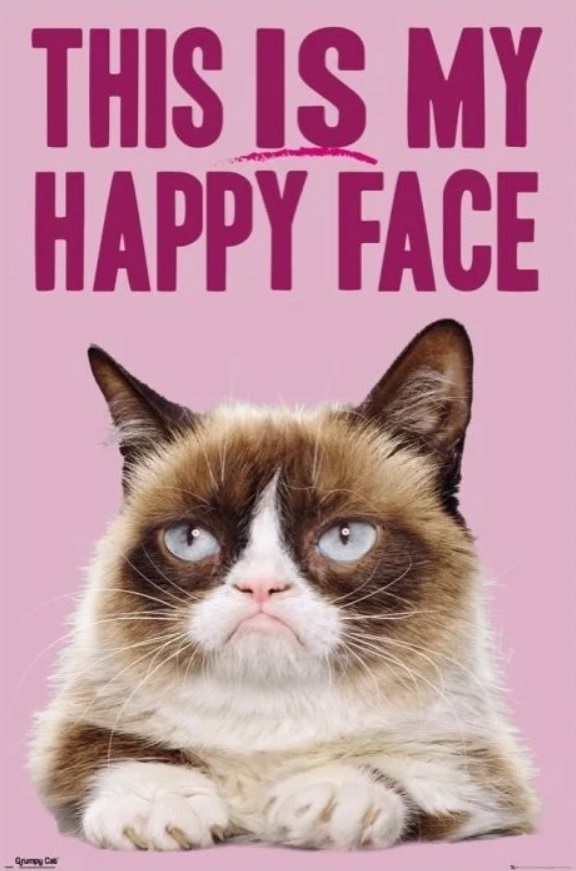
“More generally, such types of anthropocentric selection might lead to increased anthropomorphic tendencies. If, for example, the animal has the appearance of an expression which humans find relatable on some level, even if it is not necessarily reflective of that animals’ affective state, it may be used to attribute emotions or characteristics to them. For example, “grumpy cat” a cat made famous by her coverage on social media achieved her moniker due to her perceived “frowning” facial appearance. However, this was likely a result of a combination of her feline dwarfism and paedomorphic features, rather than an expression of her irritability.”

Prepare Pets for Your Return to the Workplace

* From my partners at katzenworld.co.uk

With many people returning to the workplace after the latest government updates, this means that we will be spending more time away from home – and less time with our furry friends.

According to PDSA Vet Nurse Nina Downing, this can have a huge impact on our pets. “The pandemic has turned our normal routines upside down, and our pets are affected just as much as we are.  According to our PDSA Animal Wellbeing Report 2021, nearly one in five (18%) dogs in the UK acquired since March 2020 have shown signs of distress when left alone. For dogs acquired before March 2020 the figure is 5%. Signs of separation anxiety, or separation-related behavior (SRB) can vary from excessive whining and barking, destroying things, loss of toilet training, trying to escape, depression and inactivity.”

Though we can’t be with our pets 24/7, there are plenty of things we can do to help them get used to being without their owner.  Preparation is key, so that they feel comfortable when left alone, as they could have become used to having constant company.

See below for Nina’s top five tips:

  1. Keep them company

“Many of us have responsibilities away from home that we just can’t avoid. Make sure pets aren’t left alone too long by popping home on your lunchbreak or getting a neighbour to check in once or twice a day.  If that’s not possible, use professional services like pet sitters and doggy day care.

  1. Create a safe space

“Give your pet a space in the home they can call their own, where they know they will be safe while you’re away. Make this area free from noise, comfortable and relaxing with toys and chew items to help to create a safe haven for them. By doing so, we provide a place to escape anything that might be scary.

  1. Ease into new routines

“Just like we’ve had to get back into the swing of normality again, it really helps our pets if we can ease them into new routines. Use the same word as a cue such as “leaving” and something visual like placing a certain object in the same place so your dog understand this is when they will be left alone. When getting your pets used to being left, leave them alone for short periods of time, gradually increasing the length of time every time after that when they are comfortable. This way, they’ll soon become used to you leaving and coming back and won’t be anxious about not knowing when they are going to be left.

  1. Stimulation

“One of the simplest actions we can take to prevent our pets from getting bored is giving them something to do. Feeder toys, stuffed with pet appropriate paste and then frozen, are excellent for keeping their brains active for long periods of time – and may remove the temptation to destroy household items too!

  1. Set a calming atmosphere

“There are a number of ways you can form a tranquil environment for your pet. We recommend using special items like plug-in diffusers and collars that release natural soothing pheromones or herbal remedies, creating a calming atmosphere while you’re away. Think of this as turning your home into a furry friend spa!”

For more information and tips on helping pets as lockdown eases, visit www.pdsa.org.uk/PreventingSeparationAnxiety