Coping With Blindness in Cats

* From my partners at katzenworld.co.uk

Advice from Vet Charity PDSA

A cat losing their sight can be traumatic, both for them and their owners. However, with some adaptation, blind cats can often continue to lead normal, happy lives.

PDSA Vet Olivia Anderson-Nathan said: “Conditions such as cataracts and glaucoma can lead to sight-loss in pets, but these illnesses usually affect older cats. In younger animals, sight-loss might be the result of an injury. Luckily, cats have an extremely well-developed sense of smell and hearing which they use to help compensate for blindness.”

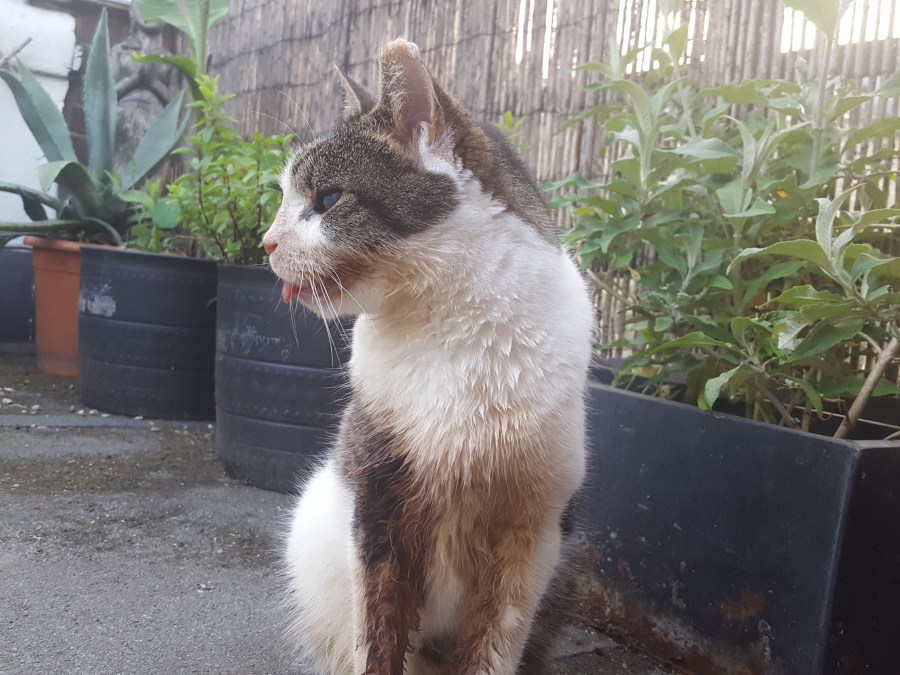
20180608_160550
This is Flash, a blind cat I used to look after (he has sadly passed away now). He was hit by a car and lost his sight and his jaw was damaged too. This meant he needed to be hand-fed. Flash used to be a street cat but had to adapt to being blind, depending on people feeding him and living with people.

Owners concerned about their cat’s vision should speak to their vet. In some cases pets can develop eye conditions if they’re suffering from other diseases, such as cataracts, which can occur in patients suffering from diabetes. Other diseases, such as glaucoma, can be extremely painful and require immediate treatment.

The progression of certain conditions could also be slowed with treatment, so early diagnosis and treatment is very important.

Olivia added: “Your vet will check your cat’s eyes and general health to see whether there is an underlying condition affecting their sight. If a medical condition is diagnosed, they will discuss treatment options and provide guidance and support.”

How cats react to sight-loss depends on several factors. If they learn new skills quickly, then they will often adjust more easily to any impact on their vision. Older cats may already have a reduced sense of hearing or smell, so they may find it harder to adapt, though because their loss of sight is usually more gradual they often learn to compensate well.
20180603_201315
Flash adapted to his new life very well. He loved playing chasing games – though his carers had to be careful about making sure his environment was safe! He also enjoyed going outside and hearing the birds, sniffing interesting scents, walking around in the grass and experiencing the sunshine, wind and fresh air.

Olivia added: “Confident cats may adapt better than more anxious ones, but the amount of support an owner provides is also a big factor in helping pets adjust to sight loss.”

There are several steps owners can take to care for a cat suffering from impaired vision:

  • It’s important to help your cat learn their environment and surroundings, so keep furniture in the same place. It’s worth assessing your home and garden to make sure there are no sharp edges or items your dog could injure themselves on. Access to hazards such as fireplaces, balconies and open staircases should be blocked off and never leave anything on the floor that they could trip over.
  • Keep their bed, food and water bowls in the same place to avoid confusion. This will help your cat feel more confident in the house.
  • When allowing them outside, make sure they’re in a secure area.
  • Talk to them regularly as they will find your presence reassuring.

Olivia said: “Once they’ve adapted to the loss of vision, many pets lead normal active lives.
Keeping Pets Safe and Healthy this Winter

* From my partners at katzenworld.co.uk

As the darker nights are drawing in and the days get colder, PDSA is offering advice to help keep our pets safe, happy and healthy over the coming winter months.

PDSA Vet Nurse, Nina Downing, said: “With reports of wet, stormy and freezing weather expected over the next few months, it’s important to remember that, despite their fur coats, pets can suffer from the cold just like we do. They can’t tell us how they are feeling, or if they’re suffering, so it’s up to us to make sure we provide the extra care they need during colder weather.”

winter2

To keep our much-loved four-legged friends cosy and content this winter, Nina has put together some top tips for pet owners.

Dogs and cats

  • Make sure they always have access to warmth and shelter – never leave them outside for long periods.
  • A suitable waterproof coat can help keep dogs dry, and especially good for pets that are very young or old, are sick, or have very thin fur.
  • Dogs will still need daily walks and cats may still want to go outside, but keep these excursions short and frequent, rather than longer periods outdoors. But don’t force pets to go outside if they don’t want to.
  • Never leave pets in cars, caravans or unheated conservatories, as temperatures can quickly plummet, risking hypothermia.
  • After a walk, towel-dry them straight away if they get wet. A hair-dryer on a low setting can be useful to dry off dogs with longer hair. To avoid burning your pets’ delicate skin it’s important not to hold it too close to their body.
  • Check pets’ paws regularly and clean any build-up of salt, grit or dirt from them, as this can be painful.
  • Wear a high visibility jacket yourself for walks on dark nights, and use a high-vis or LED collar and a hi-vis dog jacket to make walking near roads safer.
  • If you spot your pet shivering, bring them into the warmth straight away and call your vet. Hypothermia can develop quickly and can be fatal if not treated.

For more advice on taking care of your pet this winter, visit www.pdsa.org.uk/winterhealth.

PDSA is the UK’s leading vet charity. We’re on a mission to improve pet wellbeing through prevention, education and treatment. Support from players of People’s Postcode Lottery helps us reach even more pet owners with vital advice and information.

Giving your cat pills

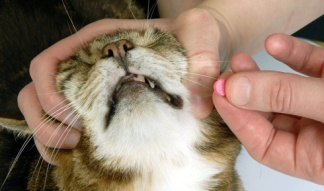
As a cat sitter I regularly need to give pills to my clients’ cats. Some cats have a reputation for spitting out the pills even when they have seemingly swallowed it. They walk away and when you walk over to see them a few minutes later there’s a pill on the floor. Other cats are very relaxed about it: they just eat a pill when it’s mixed in with their food (dry or wet) or hidden inside a treat.

And then there’s my own cat…. He’s generally placid, as those of you who regularly read about Dirk will know, but try giving him worm treatment…. You can hide it in his wet food (which he only gets as a treat) and he won’t touch it. He won’t even eat it if I crush the pill into a very fine powder and then mix it into his food – which works fine with his fibre supplement. I brush his teeth so he is quite used to me restraining him, opening his jaw and putting a toothbrush in his mouth so that can’t really be it either.

In fairness to Dirk – or perhaps just to make myself feel better – I blame the size of the pills. He needs XL sized worm tablets as he is over 4kg. Or perhaps it is the smell and/or taste because breaking the pills into two doesn’t help much either. Maybe this is his one act of defiance, his one thing to show me he’s still a wild cat at heart 🙂

Because Dirk is such a tricky customer when it comes to worm treatment I have tried a lot of things! Everything works once; second time I try it Dirk is having none of it. However, these might work for you so here’s what I’ve tried so far.

My husband restrained Dirk anrestraind I tilted his head back just as is shown in the video on International Cat Care’s website. I put the pill inside and then released my grip on his head but kept his mouth closed. What happened next? Foaming at the mouth, angry growling noises, he was doing everything he could to escape. I was afraid that I’d hurt him because I saw blood in his mouth only to discover that is was MY blood because he’d bitten my fingers! It started with all of us being calm and I was gently reassuring Dirk that everything was going to be all right but it ended with everyone being upset and the pill on the floor.
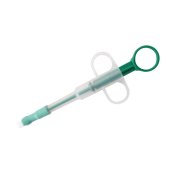
popperThe pill popper was a promising idea. My fingers wouldn’t need to go inside Dirk’s mouth and you can put the popper in the back of the throat so the cat is more likely to swallow it whole. The vet showed me how to do it and it worked. However, the warning signs were there as Dirk had the most angry look on his face afterwards. Needless to say it didn’t work when we tried it at home a few months later.
pocket

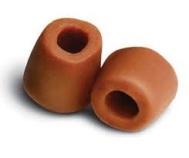
Next we tried the pill pocket. I’ve been using this quite a lot with clients’ cats so I was optimistic. I broke the pill into two halves and put each half inside a pocket. I first gave Dirk an empty pocket so he could taste it and see it as a treat. He loved it! I was a bit worried he’d smell the pill inside, but he ate the first pocket with half a pill inside without problems. Great! Except he then refused to eat the second half.
Back to the vet for more ideas.

paste
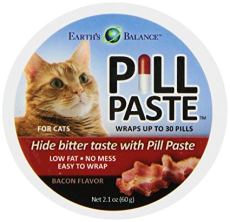
The vet nurse recommended a sort of paste. She said it had made her life so much easier as she sometimes was the only one on shift and needed to administer pills by herself. Just warm the paste in your hand and them wrap it around the pill and the cat will happily eat it. Well true enough, Dirk happily ate it…. Just the once. Now he won’t even eat the paste itself.


As Dirk is an indoor only cat we’ve resorted to the vet giving him his worm treatment during his check-ups. Dirk goes every 6 months because he’s getting a bit older so now he gets worm treatment twice a year. Not ideal, but we keep his flea treatment up to date so the vet is OK with this worm treatment regime.