Giving your cat pills

As a cat sitter I regularly need to give pills to my clients’ cats. Some cats have a reputation for spitting out the pills even when they have seemingly swallowed it. They walk away and when you walk over to see them a few minutes later there’s a pill on the floor. Other cats are very relaxed about it: they just eat a pill when it’s mixed in with their food (dry or wet) or hidden inside a treat.

And then there’s my own cat…. He’s generally placid, as those of you who regularly read about Dirk will know, but try giving him worm treatment…. You can hide it in his wet food (which he only gets as a treat) and he won’t touch it. He won’t even eat it if I crush the pill into a very fine powder and then mix it into his food – which works fine with his fibre supplement. I brush his teeth so he is quite used to me restraining him, opening his jaw and putting a toothbrush in his mouth so that can’t really be it either.

In fairness to Dirk – or perhaps just to make myself feel better – I blame the size of the pills. He needs XL sized worm tablets as he is over 4kg. Or perhaps it is the smell and/or taste because breaking the pills into two doesn’t help much either. Maybe this is his one act of defiance, his one thing to show me he’s still a wild cat at heart 🙂

Because Dirk is such a tricky customer when it comes to worm treatment I have tried a lot of things! Everything works once; second time I try it Dirk is having none of it. However, these might work for you so here’s what I’ve tried so far.

My husband restrained Dirk anrestraind I tilted his head back just as is shown in the video on International Cat Care’s website. I put the pill inside and then released my grip on his head but kept his mouth closed. What happened next? Foaming at the mouth, angry growling noises, he was doing everything he could to escape. I was afraid that I’d hurt him because I saw blood in his mouth only to discover that is was MY blood because he’d bitten my fingers! It started with all of us being calm and I was gently reassuring Dirk that everything was going to be all right but it ended with everyone being upset and the pill on the floor.
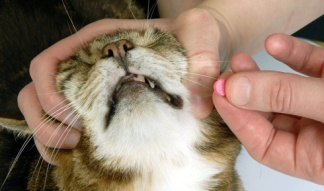
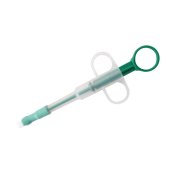
popperThe pill popper was a promising idea. My fingers wouldn’t need to go inside Dirk’s mouth and you can put the popper in the back of the throat so the cat is more likely to swallow it whole. The vet showed me how to do it and it worked. However, the warning signs were there as Dirk had the most angry look on his face afterwards. Needless to say it didn’t work when we tried it at home a few months later.
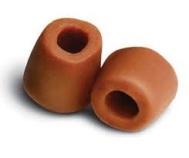
pocket

Next we tried the pill pocket. I’ve been using this quite a lot with clients’ cats so I was optimistic. I broke the pill into two halves and put each half inside a pocket. I first gave Dirk an empty pocket so he could taste it and see it as a treat. He loved it! I was a bit worried he’d smell the pill inside, but he ate the first pocket with half a pill inside without problems. Great! Except he then refused to eat the second half.
Back to the vet for more ideas.

paste
The vet nurse recommended a sort of paste. She said it had made her life so much easier as she sometimes was the only one on shift and needed to administer pills by herself. Just warm the paste in your hand and them wrap it around the pill and the cat will happily eat it. Well true enough, Dirk happily ate it…. Just the once. Now he won’t even eat the paste itself.


As Dirk is an indoor only cat we’ve resorted to the vet giving him his worm treatment during his check-ups. Dirk goes every 6 months because he’s getting a bit older so now he gets worm treatment twice a year. Not ideal, but we keep his flea treatment up to date so the vet is OK with this worm treatment regime.

How to take care of cats with kidney disease

* Originally written by me for citikiti.co.uk

From the ICatCare Conference

Chronic kidney disease is a common disease that affects over 30-40% of cats over 10 years old. This percentage is even higher in cats that are 15 years or older. Although the average lifespan of cats is roughly 12-14 years, more and more cats are now living beyond the age of 15 years (which roughly equates to a human age of 76).

My own cat is somewhere between 9-11 years old now – he is a rescue cat so we don’t know his exact age and I know a lot of your cats are over 10 years old. As our cats enter into the senior stage of their life they are more prone to many diseases, chronic kidney disease being one of the most prevalent examples.

There is no cure for chronic kidney disease, but we can slow down the progression of the disease and cats with chronic kidney disease can still have a good quality of life.

Before discussing how we can help cats with kidney disease, let’s first briefly look at the most common symptoms of kidney disease: increased drinking and urination, reduced appetite, weight loss and lethargy. You may also notice vomiting or a bad breath.
Chronic kidney disease is diagnosed through an analysis of blood and urine samples. The earlier the diagnosis, the better the prospects are of preventing further kidney injury, managing the complications and slowing the progression of the disease.

If your cat has kidney disease then your vet will discuss a plan of action with you. This will depend on the stage of progression of the disease and your cat’s specific complications. Treatment of chronic kidney disease will mainly focus on feeding your cat a specific type of diet as this is the only type of treatment we currently have that prolongs life in cats with chronic kidney disease.
What else can we do at home to make sure our cats are comfortable?

Make sure your cat is drinking plenty of water. Find out what your cat prefers. This could be drinking from a running tap or the shower, a water fountain or providing a different type of water bowl (most cats like drinking from a wide brimmed ceramic bowl. If your cat goes outside, put a ceramic bowl in the garden: quite a few cats prefer rainwater over tap water.

As cats with chronic kidney disease tend to urinate more often it is good to make sure you have multiple litter trays in various quiet places around the house. Some cats refuse to use a litter tray that isn’t clean. If you have multiple trays then your cat has multiple appropriate options when you’re at work.

And last, but not least: make sure their lives are as happy & stress-free as possible. Give your cat warm, comfortable places to hide & rest and engage with them: play with them, groom them, stroke them, etc. Remember though, you ill cat is still a cat and wants to be in charge of his life as much as possible: let him initiate the quantity and quality of your interaction and don’t overwhelm them with love

For more information about kidney disease in cats see International Cat Care’s website.

Can I sit on the balcony too?

In April we already experienced some very lovely weather and I love sitting on the balcony to enjoy the sunshine. Obviously Dirk was eager to join me…

I was not feeling comfortable with it. I let him on the balcony once and he stuck his head through the railing a bit too far for comfort. Dirk is very much a companion cat and loves spending time with me and my husband. Whenever we were out on the balcony he’d sit behind either one of the doors looking longingly.

Time for action! We ordered mesh from ProtectaPet and attached it to the railing. Now our balcony is safe for Dirk to enjoy as well although he’s not allowed there on his own.

The risk of Dirk actually falling off my balcony were probably slim to begin with. However, each year cats fall out of windows or from balconies. In fact, there’s a name for it: high-rise syndrome. For your pet’s safety and your peace of mind, keep them safe!

Brushing your cat’s teeth

Dental hygiene is as important for cats as people.
It helps keep your cat in great condition and prevents diseases (and a bad breath).

Still, you may feel a little unsure about brushing your cat’s teeth. I know I was a little taken aback when my vet first suggested brushing Dirk’s teeth.
He showed me ho
cat brushing teethw to do it and – surprisingly – Dirk seemed fine with it.
However, trying it at home was a different story…   


If only it was this easy!

When I first started I was a bit too optimistic. Having seen the vet do it made me think it wouldn’t be so difficult. Dirk was not happy about it though. I tried every other day at first but I have to admit this soon became less frequent. Until Dirk was diagnosed with a dental disease called feline resorptive lesions.

After he had two teeth removed my mind set changed. I went from ‘I’ll try’ to ‘OK, I have to do this’.

Around this time I also started with my advanced feline behaviour course and was learning about learning theory and training cats. This was the perfect opportunity to put what I’d learnt into practice!

I took small steps to get Dirk used to having his teeth brushed. Admittedly, he still doesn’t like it. He tolerates it now although we have to odd day where he doesn’t. Those days are less frequent now, I brush his teeth most days. And afterwards he gets a special reward: his favourite treat which he goes nuts for.

The basics:

20190417_175628

  • First of all, buy toothpaste for cats. Toothpaste for people is toxic for cats, so never use this. Toothpaste for cats comes in tasty flavours such as chicken. Rest assured, even though it is tasty it also contains all the enzymes needed to clean your cat’s teeth.
  • Introduce your cat to the toothpaste. Let your cat lick the toothpaste off your finger (my cat loved it!). This allows the cat to get used to the flavour and texture and they will have a positive association with the toothpaste.
  • Once your cat is used to the toothpaste you can introduce a toothbrush, for example by letting your cat lick the toothpaste off the brush. There are several types of brushes designed for cats. Buy the one you feel most confident using.

Getting the job done:20190417_180510

  • Both you and your cat should be calm and comfortable before you start brushing your cat’s teeth.
  • Either sit behind your cat so they cannot escape or ask someone else to hold and soothe your cat.
  • Start by stroking and reassuring your cat. If you notice your cat becoming stressed, then don’t start brushing. Try again another day. If you turn this into a routine then your cat will become more relaxed over time and will allow you to brush their teeth.
  • Gently pull back your cat’s lips as shown in the picture.

What it looks like at the vet’s…        What it looks like at home
(Dirk prefers to lie down on his side)

  • Brush the teeth in slow circular motions and keep the bristles at a 45-degree angle. Brush the teeth and just beneath the gum margin, don’t brush the gums directly.
  • Brush as many teeth as the cat allows and praise your cat while doing so. Initially you may only be able to brush for about 10-15 seconds, but that’s a good start! When you’re more experienced and the cat has become more tolerant of having their teeth brushed you’ll be able to brush their teeth in about 1-2 minutes.

For more information please ask you vet or veterinary nurse.
For a video instruction, as well as additional information, please consult International Cat Care’s website.

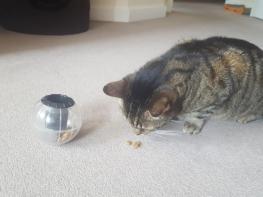
Dirk’s new Activity Feeder: Catrine’s Catmosphere Dispenser Ball

* Originally written by me for katzenworld.co.uk

Some of you may have read the piece about Dirk trying to beat the flab 😉 His weight is now down to 5.0 kg and his vet is happy with that.
I guess he’s happy too, otherwise it would have meant even less food 😉

What is this interesting new toy?

Dirk is quite skilled at using various activity feeders and has another dispenser ball too. It didn’t take long for him to get used to rolling the Catmosphere Dispenser Ball around the house.

Aha! It is a new food toy!

Of course this may well be the first activity feeder you try for your cat. If so, you want to maximise the chances of success. You can adjust the opening to make it easier for dry food or treats to come out. I’d start with making it quite easy and using treats – the reward has to be worth it otherwise our feline friends might not even give it a try. I’m sure your cat will get excited! They can roll the ball around and hear the noise of the treats rattling inside. This is really a game for them as well as a meal provider. Once they are used to playing with the ball, you can make the opening smaller and use their regular dry food too.

Initially, I used a large opening so Dirk would get food out fairly easily. I didn’t want him to get frustrated with it as he only eats from activity feeders now.
In the easy setting, a lot of food came out at once, which meant Dirk was quite content to get a fairly easy meal 🙂

This ball is also great for bigger cats with big paws. I know a gorgeous big guy who struggles eating from some activity feeders that use pegs on a board. His paws are simply to big, which has to do with the size and build of his breed. He also has this Catmosphere Dispenser Ball and loves it!

Catmosphere 9

All the hard work paid off:
got a snack!

The Catrine Catmosphere Treat Dispenser Ball is available via Animed Direct.
Animed Direct has recently achieved over 100.000 reviews with an over-all rating of excellence on Trustpilot! 🙂